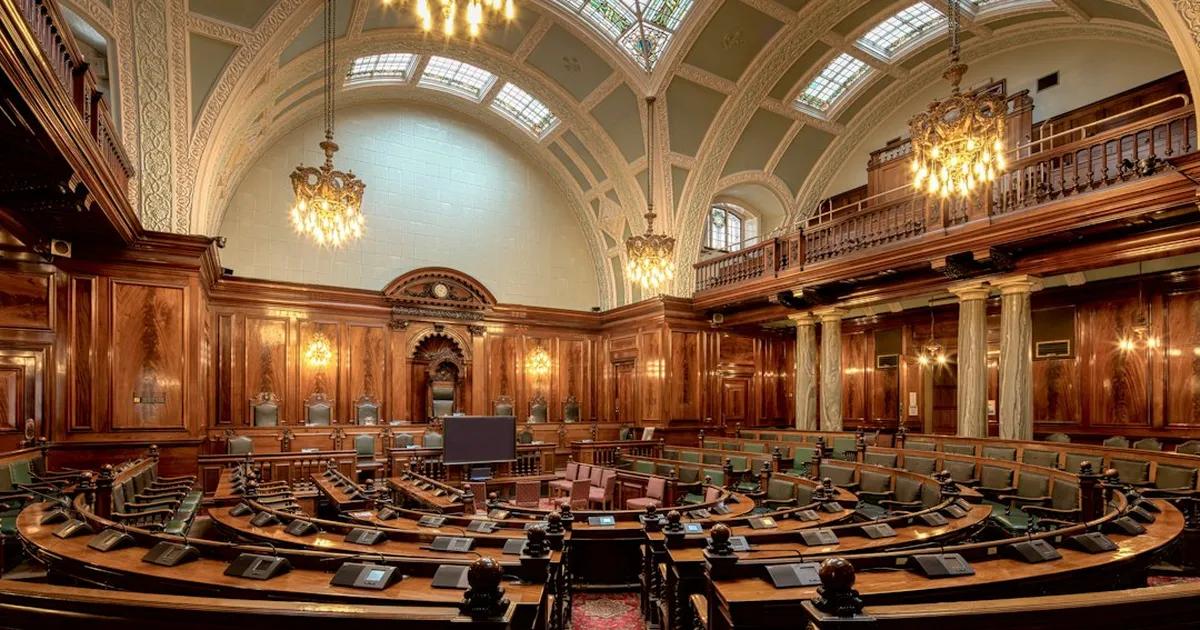
In 2015, women held 22.3 percent of seats in lower or single-chamber parliaments worldwide, according to the UN Statistics Division. Seven countries have since reached a share of at least 50 percent women in their lower or single-chamber parliament, compared with just three countries in 2015; by contrast, three chambers have no women, and in another 18 the share is below 10 percent.
The UN Gender Snapshot 2026 describes how progress in women's political leadership is losing momentum after years of upward movement. According to the Inter-Parliamentary Union's monthly table, the share of women on Jan. 1, 2026, was 27.8 percent in upper chambers and 27.5 percent across all chambers; according to the IPU, the data are based on information from national parliaments themselves. By Sept. 1, 2026, the share remained nearly unchanged: According to the IPU's September data, it stood at 27.4 percent in lower and single-chamber parliaments and 27.6 percent across all chambers, compared with 27.4 and 27.5 percent respectively on Jan. 1, 2026.
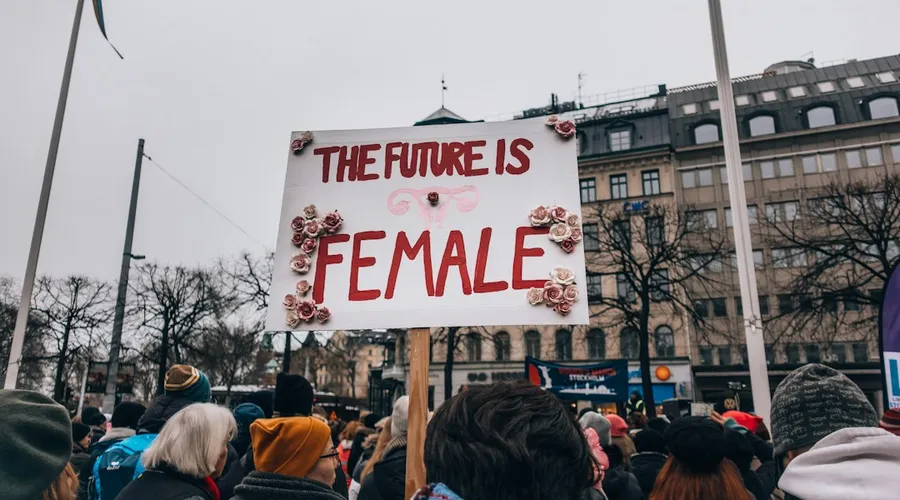
The range between countries is wide: According to the IPU ranking of Sept. 1, 2026, Rwanda leads with 63.8 percent women in the lower house, followed by Cuba with 57.2 percent and Nicaragua with 56.0 percent in parliament. Costa Rica is also above half of seats with 52.6 percent, as are Bolivia and Mexico with 50.8 and 50.4 percent respectively in the lower house. Germany has 205 of 630 seats, or 32.5 percent, and ranks 64th; the figure in the upper chamber is 34.8 percent.
Africa's differing shares of women
A report by Deutsche Welle from March 2026 shows how uneven progress has been: Women hold at least 20 percent of parliamentary seats in 31 of Africa's 54 recognized states, compared with a worldwide average of 27.5 percent per country. After elections in 2023 and 2025, the share of women rose to more than 28 percent in Sierra Leone, after the country introduced a law in 2021 to increase representation, and to 26.5 percent in the Seychelles, where a woman has since led the National Assembly for the first time. According to a Deutsche Welle report from March 2026, the share of women in Benin stood at 25.7 percent after the election in January, since electoral law reserved 24 seats for women. Senegal recorded an increase of 20 percent after introducing a mandatory quota for female candidates in the early 2010s. Nigeria, by contrast, reached only 4 percent of the 360 seats, according to 2022 IPU data cited by Deutsche Welle. According to critics, the example of Ethiopia shows how little a high number can say about real influence: There, according to DW, all 195 elected women belong to the ruling Prosperity Party, and none of the 18 opposition seats is held by a woman. Feminist activist and scholar Sehin Teferra told Deutsche Welle that high shares of women were meaningless in a one-party system; extensive sham elections with a great deal of repression and intimidation did not mean substantive representation.
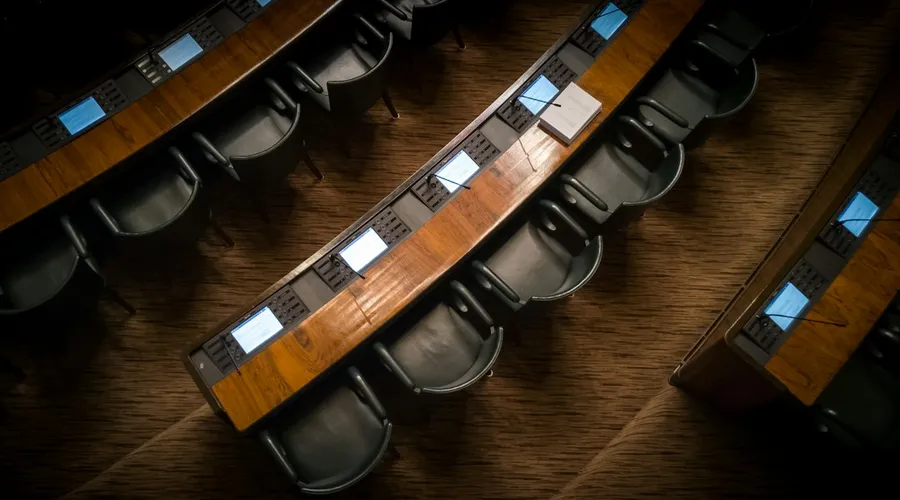
The UN Statistics Division reports increasing harassment and violence, especially online. The International IDEA guide describes similar patterns: Women and other marginalized groups in political roles experienced targeted physical, psychological, sexual and digital attacks intended to prevent their participation. Female candidates and election workers in particular were disproportionately affected by online harassment and gender-based disinformation. There have also been setbacks in parliamentary leadership: In January 2026, 54 women served as parliamentary speakers worldwide, a share of 19.9 percent, almost 4 percentage points less than in the previous year and the first decline in 21 years.
Well-designed quotas have a measurable effect: According to the UN Statistics Division, countries with well-designed quotas elected 15 percentage points more women to national parliaments and 17 percentage points more to local bodies than countries without quotas. Nevertheless, only 93 countries so far have legally mandated quotas for parliaments and only 82 for local bodies. At the local level, the share of women was already higher than in national parliaments in 2025, at 35.6 percent, but annual progress there also slowed to 0.1 percentage points; the number of countries with at least 40 percent women in local bodies rose from 23 to 41 compared with 2020.
According to the UN Statistics Division, the differences in the share of women cited above apply to statutory quotas that aim for at least 40 percent women and have strong enforcement mechanisms. Third, the harassment and violence against women politicians described by the UN Statistics Division and International IDEA would have to decline so that women are not driven out of office or deterred from running. At the pace of the past five years, parliaments worldwide will not achieve equal representation of women and men until 2089, according to the UN Gender Snapshot 2026; at the pace of the past decade, they will not achieve it until 2064.