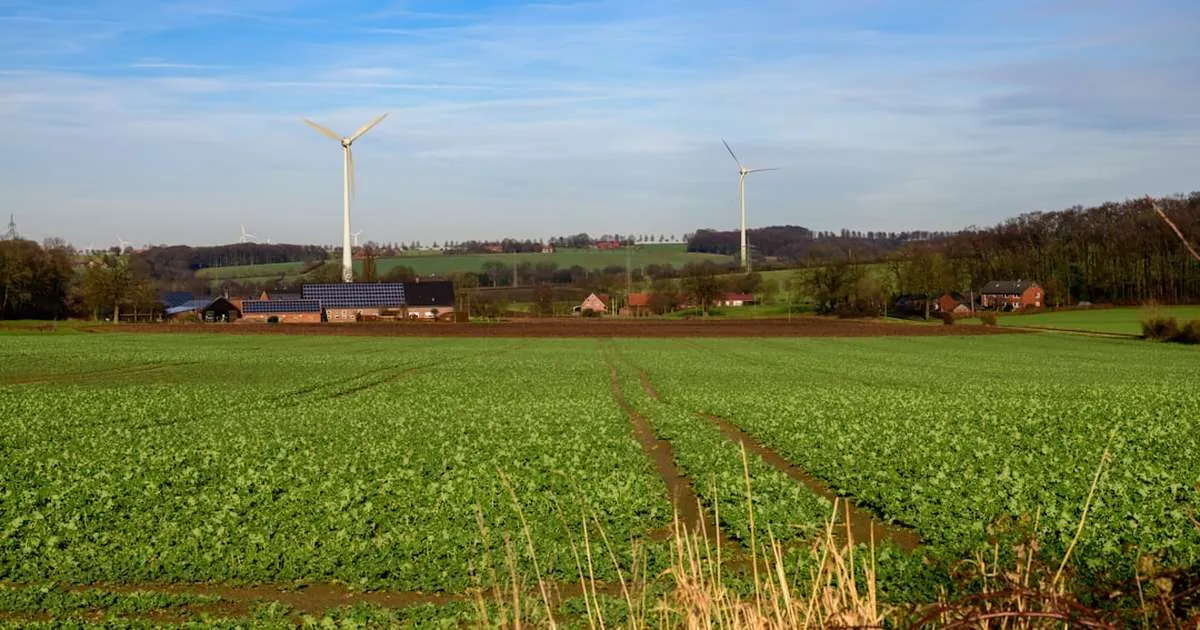
Wind turbines and solar panels generated more electricity across the European Union last year than all fossil fuels combined, according to data published by the energy think tank Ember. The 27-nation bloc produced 30% of its electricity from wind and solar, while coal, gas and oil together accounted for 27%. It is the first time in history that renewable sources have overtaken fossil fuels in annual EU power generation.
A Decade of Steady Progress
The milestone did not arrive suddenly. In 2015, wind and solar together provided only 10% of EU electricity. The intervening decade saw a sustained build-out of generation capacity, driven by falling technology costs, EU renewable energy targets and increasingly urgent climate commitments. The cost of solar electricity has fallen by more than 90% since 2010, making it the cheapest source of new electricity generation across most of Europe.
Germany, Spain and the Netherlands all surpassed 50% renewable electricity shares for the year. Denmark, running almost entirely on wind, reached 88%. Even countries that have historically relied heavily on coal, such as Poland and the Czech Republic, recorded double-digit renewable shares for the first time.
What Drove the Final Push
Two years of unusually strong wind conditions across northern and western Europe helped push the numbers over the threshold. But analysts at Ember caution against attributing the milestone solely to weather. Installed wind and solar capacity across the EU increased by 14% last year, with Germany, Spain and Poland accounting for the bulk of new additions. The build-out is increasingly driven by private capital rather than government subsidies, a sign that the economics of renewables now stand on their own.
The decline of coal played an equally important role. EU coal-fired electricity generation fell by 22% last year, continuing a trajectory that has seen the fuel's share halve since 2019. Several coal plants scheduled for retirement in 2027 and 2028 have had their timelines accelerated following the sharp drop in running hours.
The Challenge Ahead
Reaching 30% from wind and solar is a milestone, not a destination. The EU's 2030 climate target requires renewable electricity to reach at least 42.5% of total generation, and some member states are pushing for higher ambitions. The biggest near-term bottleneck is not generation capacity but grid infrastructure. Transmission networks built for the era of large central power plants are struggling to accommodate dispersed renewable generation. The European Commission has estimated that €584 billion in grid investment is needed by 2030 to keep pace with the build-out. Getting that investment deployed quickly remains the central challenge of the decade.