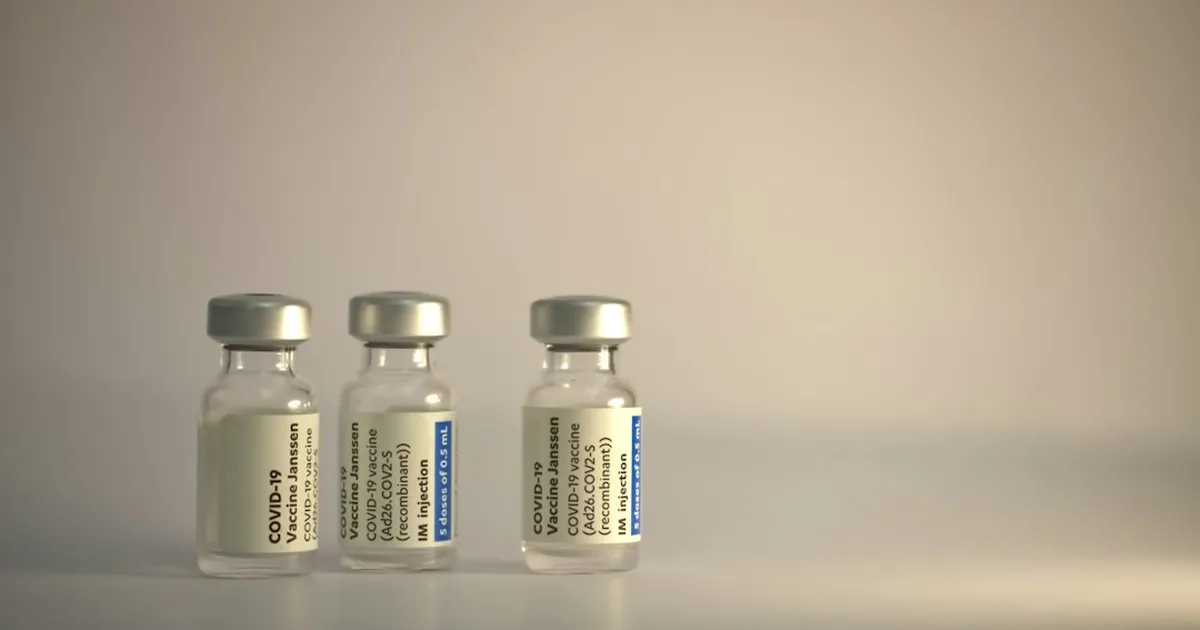
According to a statement from the World Health Organization dated November 4, 2026, the recommendation by its independent Technical Advisory Group on Candidate Vaccines Prioritization is based on available preclinical and early clinical evidence. The candidates are ChAdOx1 BDBV, developed by the University of Oxford with the Serum Institute of India, and Moderna's mRNA-1469. Both candidates were developed specifically against the Bundibugyo virus responsible for the current outbreak and are intended to be tested for the first time during an ongoing outbreak of this disease.
Why now
The recommendation comes amid the largest documented outbreak of Bundibugyo virus disease in the history of the Democratic Republic of the Congo, officially declared on May 15, 2026. According to a WHO situation report with data as of November 7, 2026, transmission remained high, with a national seven-day average of 65 to 67 cases per day and no signs of a decline. At that point, 67 health zones and 247 health areas across eight provinces were affected. According to a report by Al Jazeera, the disease has a case fatality rate of 50 percent, which the report attributes to the lack of a vaccine or treatments developed specifically for this virus variant.
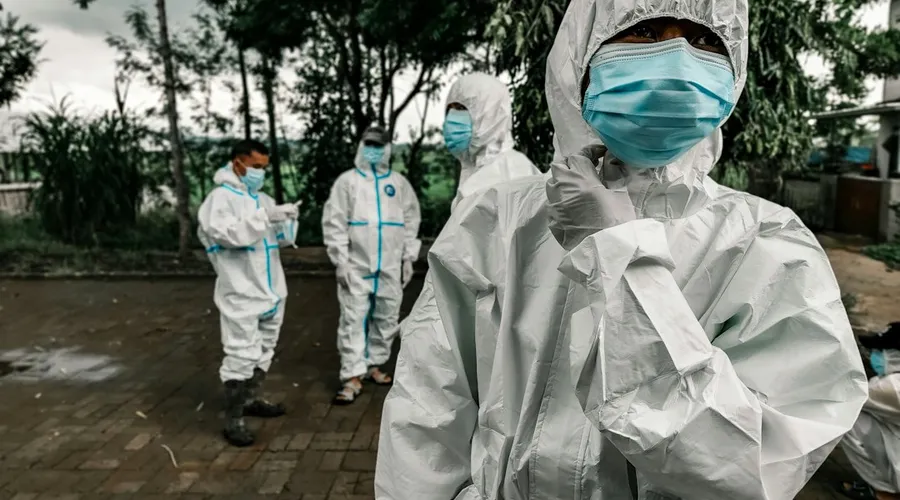
Tumaini is a randomized, blinded, actively controlled phase 2/3 platform trial jointly run by the University of Antwerp and the National Institute of Biomedical Research in Kinshasa, according to the ClinicalTrials.gov trial registry. Eligible contacts of confirmed cases form vaccination rings, are randomly assigned on the first day to a vaccine candidate or a typhoid vaccine as a comparator, and receive the other intervention on day 29, so that all participants are ultimately offered a vaccine candidate while the comparison between the groups remains blinded. Around 3620 participants are planned, including adults, adolescents and, depending on the vaccine candidate and comparator, children aged one year and older. The first vaccine in the trial is Ervebo, already approved against Zaire ebolavirus; the trial is now testing whether it also protects against Bundibugyo. According to a statement from CEPI, the first trial participant was vaccinated in Bunia on October 23, 2026. According to Gavi's specialist publication VaccinesWork, ChAdOx1 BDBV uses a harmless, modified chimpanzee adenovirus to deliver instructions for a surface protein of the Bundibugyo virus, while mRNA-1469 delivers similar instructions in messenger RNA, packaged in tiny lipid particles. According to the WHO, both new candidates are to be added to the trial only after national approvals have been granted.
What the recommendation does not yet prove
According to the WHO, the meeting report of the WHO expert panel TAG-CVP covers preclinical animal studies, safety data and preliminary phase 1 results on safety and immunogenicity. The recommendation itself was unanimous, according to the report. The key question also remains open for Ervebo: in its overview of Ebola vaccines, the WHO says the available evidence is insufficient to determine whether the vaccine protects people against Bundibugyo virus disease or to quantify any potential protection. The WHO expert panel SAGE therefore recommends using Ervebo exclusively within a research protocol. This is precisely where the aid organization Doctors Without Borders (MSF) disagrees with the WHO's position: in a statement dated November 10, 2026, it calls for the requirement tying Ervebo vaccination to research protocols to be lifted because access to vaccination is currently severely restricted. MSF cites animal studies and immunological data that it says suggest the immune response triggered by Ervebo could also respond to Bundibugyo, but itself acknowledges that vaccines developed specifically against Bundibugyo are unlikely to be available in the short term. According to MSF, the government of the Democratic Republic of the Congo requested 500,000 doses of Ervebo in August with support from Africa CDC, of which only 70,000 were released.
According to the WHO, the ring vaccination strategy that Tumaini is now using for Bundibugyo stems from an approach developed by the organization and its partners a decade earlier during the Ebola outbreak in West Africa. The rVSV-ZEBOV vaccine studied in the Guinea trial targets Zaire ebolavirus: the four orthoebolaviruses that cause disease in humans are genetically distinct, so efficacy against one does not automatically mean efficacy against another. For a comparison of scale: the randomized part of the Guinea trial included 4539 contacts and contacts of contacts in the immediate vaccination group and 4557 in the delayed vaccination group. Funding provides another point of reference: according to VaccinesWork, CEPI has pledged more than US$75 million for the development of several Bundibugyo candidates, while the vaccine alliance Gavi has approved up to an additional US$40 million to enable manufacturers to increase production even before the trial's success is established.
Results from 2027, SAGE meeting on November 17
According to the WHO, initial findings from accompanying treatment studies are expected in the coming months. Another question could be decided sooner: according to MSF, the broader release of Ervebo doses from existing stocks for expanded compassionate use, as requested by MSF, requires approval from the WHO expert panel SAGE, which meets on November 17. According to MSF, contacts of confirmed cases generally have access to vaccination only through ongoing clinical trials, whose strict requirements are likely to reach only a small proportion of people potentially in need of protection. WHO Director-General Tedros Adhanom Ghebreyesus put it this way when making the announcement: vaccines alone would not end the outbreak, but could become an effective additional tool to contain it.