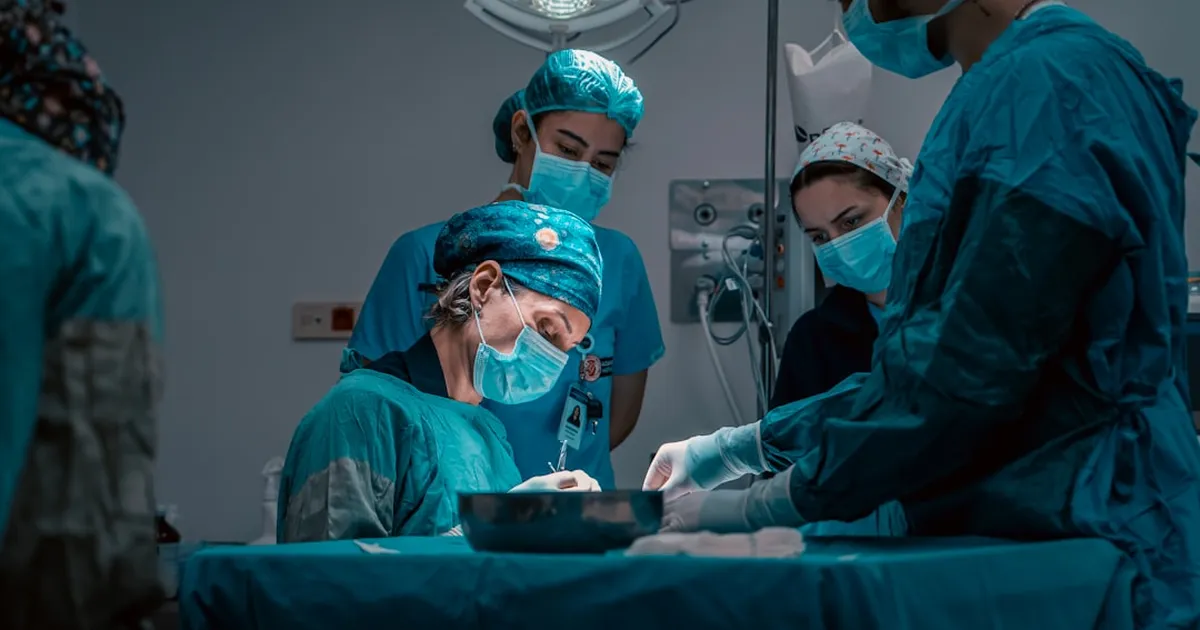
A stem cell therapy delivered before birth could spare children with spina bifida permanent severe paralysis. Researchers at the University of California Davis have published their first clinical results: in six fetuses, the combined procedure was safe throughout, and a feared brainstem complication resolved completely in all of them.
An Incurable Diagnosis Before Birth
Spina bifida, medically known as myelomeningocele, is one of the most common congenital defects of the central nervous system. The spinal cord fails to close completely, leaving nerve tissue exposed and damaged over months of contact with amniotic fluid. Consequences range from paralysis of both legs to bladder and bowel problems and severe brain development disorders; many affected children are dependent on wheelchairs.
The current standard treatment is surgery after birth. Since a landmark study in 2011 — known as the MOMS trial — it has been known that repair in the womb delivers significantly better neurological outcomes than postnatal surgery: less hydrocephalus, better motor function. But even with this earlier repair, nerve tissue remains exposed to damaging amniotic fluid throughout the entire pregnancy.
The research team led by Diana Farmer, pediatric surgeon and stem cell researcher at UC Davis, wanted to go a step further. Their idea: during fetal surgery, the spinal cord defect is not only sutured, but covered with a layer of human stem cells derived from donated placentas.
Six Cases, Not a Single Serious Complication
Results from the first clinical phase were published in the journal The Lancet. Six fetuses received the combined procedure between weeks 23 and 25 of gestation. The safety data are clear: no infection at the surgical site, no cerebrospinal fluid leakage, no abnormal tissue growth, and no tumor formation. The stem cell layer was placed completely and correctly in all six procedures; all wounds healed fully.
Particularly striking is a neurological finding: in all six children, a feared brainstem complication resolved completely. Known as hindbrain herniation, this condition occurs when the brainstem and parts of the cerebellum are pushed into the spinal canal by pressure. It is the leading cause of fluid accumulation in the brain and frequently requires the insertion of a shunt. In fact, none of the six children needed a shunt before hospital discharge.
What Phase 1 Proves and What Remains Open
The safety results are strong, but they do not yet answer the decisive question: do the stem cells actually improve the neurological development of the children? Phase 1 clinical trials test exclusively whether a procedure is feasible without serious side effects. Whether the treated children walk better, control their bladder better, or require shunts less often than children who received conventional fetal surgery will only become clear in Phase 2.
For this second phase, planned to include 29 additional patients, both the US Food and Drug Administration (FDA) and an independent oversight panel granted approval. The follow-up period extends to age two. The Fetal Health Foundation contributed 15 million dollars to expand the study.
A Concept for Prenatal Medicine
The CuRe concept represents a broader approach in fetal medicine: not merely anatomical repair, but targeted biological support for developing tissue. Placenta-derived stem cells have the advantage of being immunologically tolerated, abundantly available, and free of the ethical concerns associated with embryonic stem cells.
For context: six cases is a very small number. The resolution of hindbrain herniation demonstrates surgical success, not necessarily the specific effect of the stem cells. That is precisely what Phase 2 aims to clarify, with a control group receiving fetal surgery without stem cells.
First Efficacy Data at the Earliest in Two Years
When the Phase 2 children reach age two, standardized motor tests and developmental assessments will show whether the stem cell addition actually makes a difference. The researchers plan to publish primary efficacy data at that point. If the effect is confirmed, the next step would be a Phase 3 trial at multiple centers worldwide — the foundation for regulatory approval.