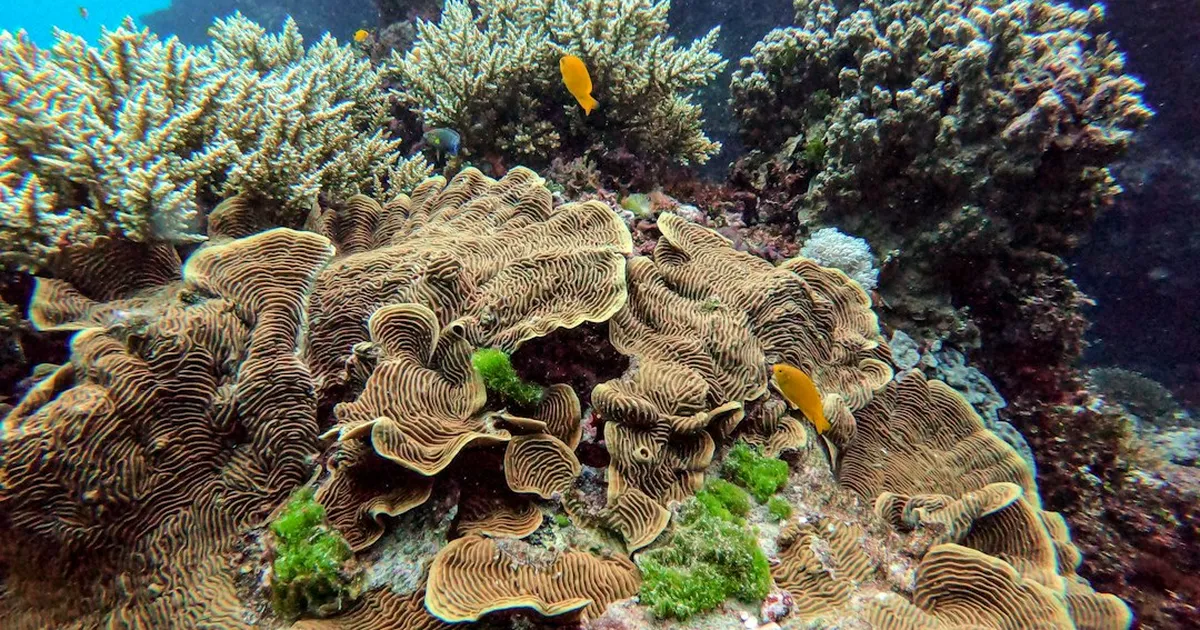
For the Coral Reef Condition Report 2026, detailed surveys were conducted at 71 fixed sites, and a further 121 reefs between Cape York and Gladstone were surveyed by manta tow. The lead researcher of the long-term monitoring program, Mike Emslie, called the signs small but promising.
From the largest bleaching event recorded on the reef by area to the 2025 decline
The cause of the previous decline was the 2024 mass bleaching, which, according to the AIMS report, extended over a larger area than any bleaching previously recorded there. The report subsequently recorded regional declines in hard coral cover of between 14 and 30 percent compared with 2024, and up to 70.8 percent at individual reefs; in the north, average cover fell from 39.8 to 30.0 percent, and in the south from 38.9 to 26.9 percent. The survey for the north had already been completed in December 2024, before the 2025 bleaching began there; its effects on coral cover were therefore to be recorded only in the following year's report.
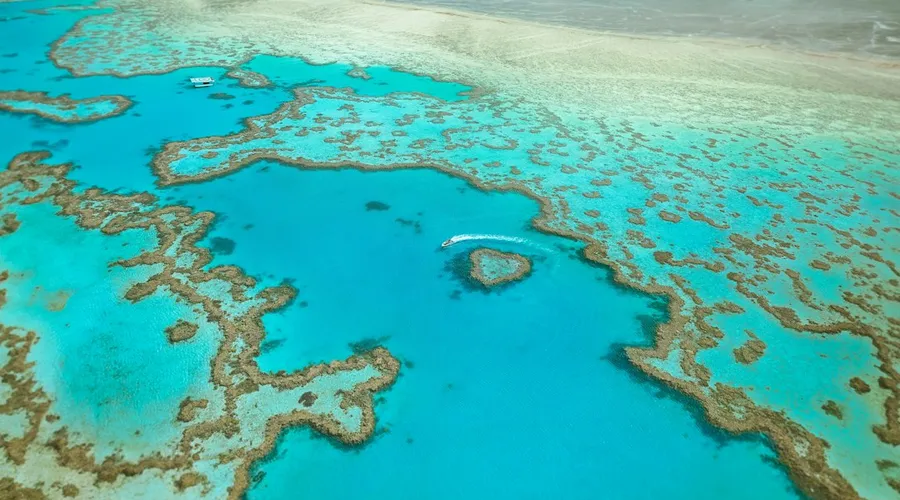
A study of Pioneer Bay near Orpheus Island shows how unevenly corals respond: hard coral cover there fell by 66.60 percent between September 2024 and October 2025, from 41.66 to 13.92 percent. The study's authors consider unprecedented rainfall and extremely low salinity in February 2025 to be the most likely cause. The study covers two sites in Pioneer Bay and cover was calculated relative to suitable hard substrate; continuous measurements of local salinity during the flooding were not available.
What the report published in August 2026 shows
Overall, cover increased in 28 percent of the areas surveyed and remained unchanged in other areas surveyed. AIMS reef fish ecologist Daniela Ceccarelli said cover was above the long-term average in the north and centre and slightly below it in the south; a monsoon toward the end of summer had lowered water temperatures and so helped keep it above historical norms in most areas. Roger Beeden, chief scientist of the Great Barrier Reef Marine Park Authority, called the sign encouraging and said it showed that coral cover on the reef was close to the long-term average.
In comparison: an uneven decline
A longer-term comparison shows that the central region remained above its long-term average of 19.8 percent in 2025 despite a decline of 13.9 percent, while the southern region fell below its average of 29.3 percent after a decline of 30.6 percent. UNESCO's World Heritage Committee also said in its decision that it remained of utmost concern about the negative effects of declining coral cover on the reef's outstanding universal value and called on Australia to submit a full assessment of the recent mass bleaching as soon as it is available.
What could threaten the progress
According to Ceccarelli, crown-of-thorns starfish showed signs of an outbreak in the northern reef, although migration south would take several years. Mike Emslie warned of more frequent and more severe heat stress events; an El Niño event could put the reef under renewed strain. Roger Beeden said it was too early to speculate about the possible effects of this El Niño event. Emslie stressed that despite the good news, the Great Barrier Reef remained under significant pressure and was affected year after year by disturbances such as climate-related heat stress and coral bleaching.