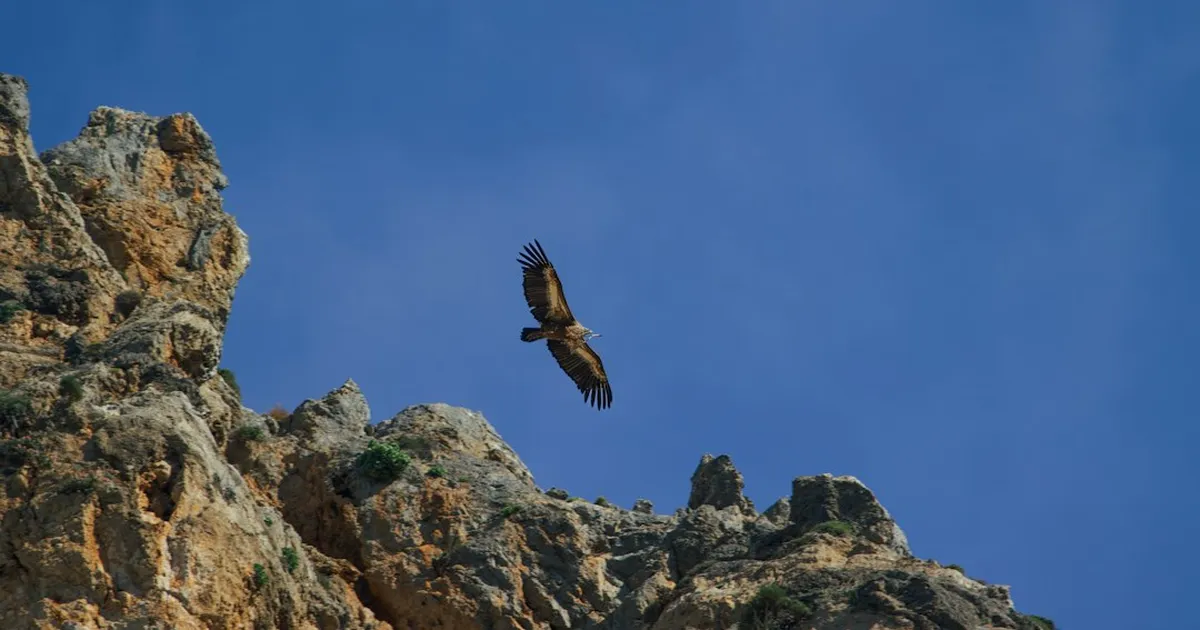
Sardinia's Griffon vulture population numbered between 516 and 566 birds according to a November 2025 count, representing a 21 percent increase from 2024, according to Euronews. Project partners from LIFE Safe for Vultures coordinated the census on November 15, 2025, with 161 participants stationed at 35 observation points across the island. In 2014, the colony existed exclusively between Bosa and Alghero on the island's western coast, indicating substantial range expansion in the past decade.
Recovery from Multiple Threats
The Sardinian vulture population has recovered despite facing poisoning, illegal shooting, and deliberate culling threats. These recovery efforts represent a decade-long investment in protecting a species once hunted to near-extinction in Europe. The LIFE Safe for Vultures program combines enforcement, habitat management, and public education to reduce human-related mortality.
Regional Expansion and Breeding Success
The growing population now extends beyond Sardinia's western coast, with birds establishing new breeding colonies across the island. Improved breeding success rates reflect both better protection and increased food availability through responsible carcass management programs. Species recovery officer Fiammetta Berlinguer attributed the population growth to coordinated protection efforts across multiple European regions.
European Conservation Success Story
The Sardinian recovery exemplifies broader efforts to restore Griffon vultures throughout Europe. Similar programs operate in Spain, France, and the Balkans, where vulture populations face analogous threats. The species's role in natural scavenging ecosystems makes its recovery significant for landscape health. Continued commitment to anti-poisoning measures and legal protection remains essential for sustained population growth.