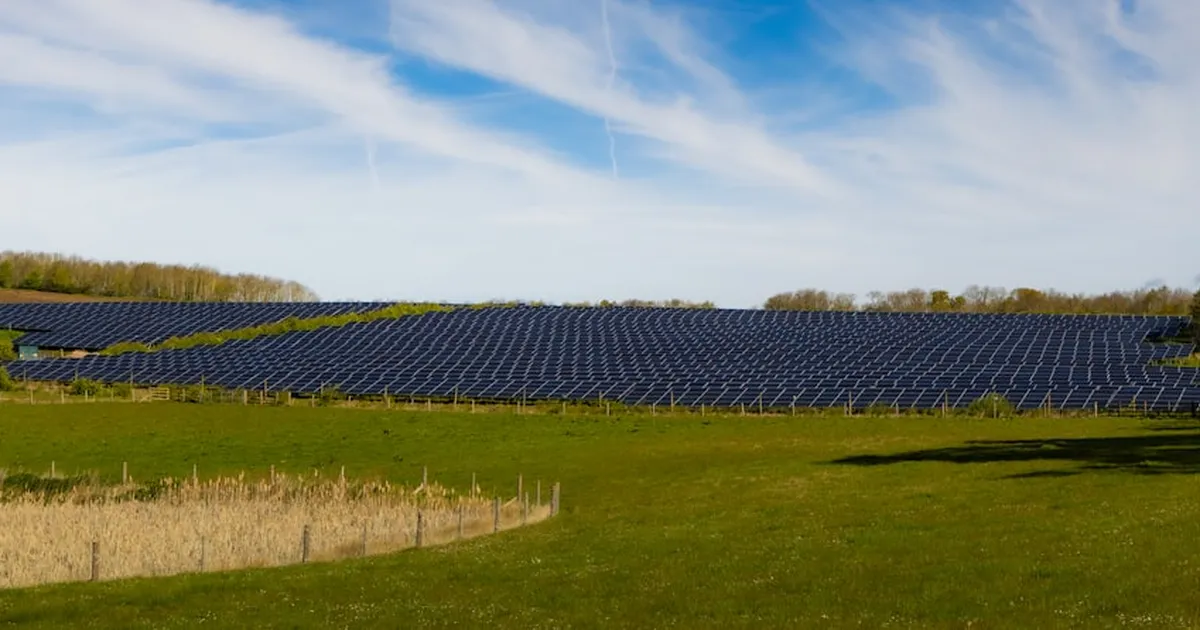
For the first time in more than a century, wind and solar generate more electricity worldwide than coal. In 2025, renewables reached 33.8 percent of global electricity production, surpassing coal at 33.0 percent, according to the Global Electricity Review 2026 published by the British analytics firm Ember. The margin is slim. The significance is not.
A Turning Point After 100 Years
Coal has been the backbone of global electricity since industrialisation. In 2015, it still supplied around 40 percent of the world's electricity. Ten years later, solar and wind have ended that dominance.
In 2025, 647 gigawatts of new solar capacity were installed worldwide, eleven percent more than the year before. Wind grew by 47 percent, adding 167 new gigawatts. Together, the two technologies brought 814 gigawatts of new capacity online in a single year. For comparison: Germany's entire installed electricity generation capacity stands at around 250 gigawatts. The solar and wind expansion of 2025 exceeded that by more than three times.
Solar electricity generation rose 30 percent to 2,778 terawatt-hours. That is the largest absolute increase ever recorded for any single electricity source in a single year. The total installed capacity of wind and solar worldwide crossed the four-terawatt threshold for the first time: 4,174 gigawatts are now in operation.
Fossil Output Falls Despite Growing Demand
The most structurally significant figure in the Ember report is not the growth of renewables but the decline of fossil fuels. Global electricity consumption rose 2.8 percent in 2025. Fossil power plants nevertheless produced 0.2 percent less electricity than the year before. Wind and solar covered 99 percent of all global demand growth.
This is structurally different from previous dips in fossil energy production. In 2009, output fell because of collapsing economic demand during the financial crisis. In 2025, it fell while demand grew. According to Ember, it is the first time fossil electricity generation has declined structurally in a year of demand growth rather than because of an economic downturn.
China Leads, India Surprises
China dominated the expansion. With 378 gigawatts of newly installed solar capacity, 58 percent of global solar additions came from a single country. In wind, 119 of the 167 new gigawatts came from China, representing 72 percent of global wind additions. Solar and wind now account for 22 percent of China's electricity mix, above the OECD average of 20 percent.
India delivered a surprise: the country installed more new solar capacity than the United States in 2025 for the first time, moving into second place in global solar rankings.
Battery storage emerged as a growing pillar of the system. Global storage capacity rose 46 percent to 250 gigawatt-hours, while battery costs simultaneously fell 45 percent. That allowed 14 percent of new solar output from midday peaks to be shifted to other hours of the day, reducing grid congestion.
What the Numbers Mean for Households
For households in countries with growing shares of renewables, long-term dependence on imported fossil fuels is falling. That reduces a central price risk in electricity costs that Europe experienced sharply after Russia cut gas supplies in 2022. Whether lower generation costs actually reach consumers depends on national regulations and grid tariffs.
Coal remains significant in absolute terms: 33 percent of global electricity is no marginal figure. But its relative share is shrinking even as demand grows. That is what sets 2025 apart from every year before it.
Next Milestone: 40 Percent
At the current rate of expansion, renewables could cross the 40-percent threshold in global electricity generation by 2027. The decisive question is whether storage capacity keeps pace with generation. Without flexible storage, grids in some regions cannot absorb solar output at midday peaks, which would constrain further expansion. The International Energy Agency will publish its next World Energy Outlook in autumn 2026 with updated projections.