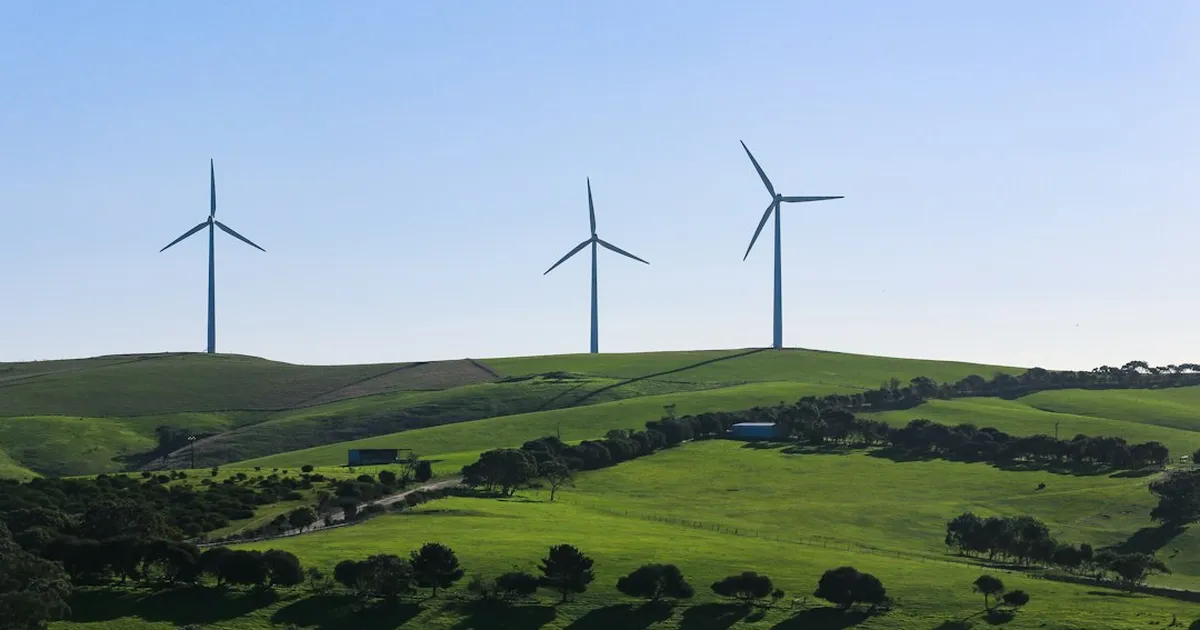
According to the scorecard, the previous high from the first quarter of 2022 was exceeded by a fifth. The 2.4 gigawatts refers to large projects financed for construction in the NEM and SWIS electricity grids. After a slow start to the year, this was a significant jump, according to the IEEFA press release.
Wind power accounted for the largest share of the new capacity, at 1.5 gigawatts, followed by large solar projects with 910 megawatts, the second-highest figure ever recorded after 1.2 gigawatts in the April to June quarter. More battery storage projects were also added: Large batteries with a combined capacity of 29.5 gigawatt-hours were under construction at the time of the report, and projects committed in the July to September quarter increased this capacity by a further 13 percent.
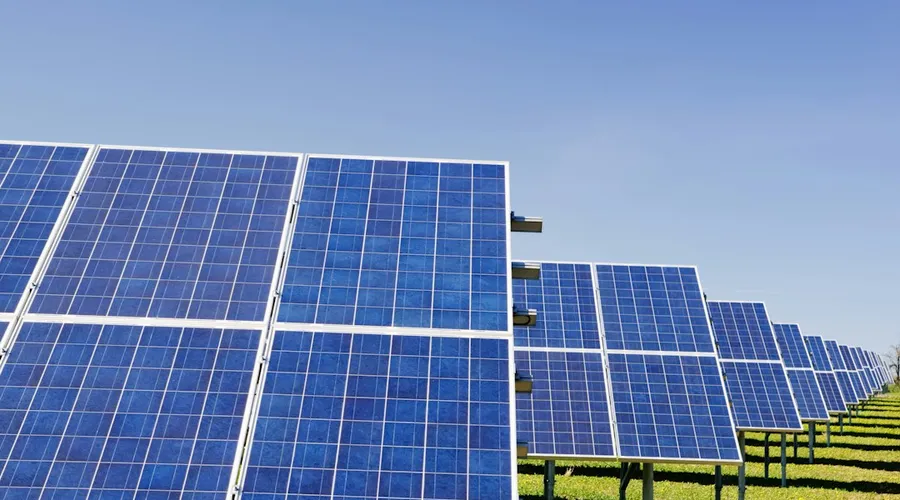
The federal government in Canberra aims to reach a share of 82 percent renewable electricity generation by 2030. The IEEFA and Green Energy Markets scorecard also measures current construction progress against this target.

By comparison: other sources, one trend
The Clean Energy Regulator notes that its data on investment decisions is based on public announcements, may be incomplete and may be revised retrospectively. In the first half of 2026, 1.4 gigawatts of capacity at power plants with an output of more than 1 megawatt was approved, 32 percent more than the average of 1.1 gigawatts for first halves of the year since 2021. The trend is also evident in electricity actually generated: According to the AEMO report cited by the regulator, the share of renewables in electricity generation in the NEM grid rose to 42 percent in the second quarter of 2026, from 37 percent a year earlier. Things are not going as smoothly everywhere: The Victorian Auditor-General's Office expects Victoria's offshore wind program to miss the statutory target of installing 2 gigawatts of offshore wind capacity by 2032; there is still no port for construction of the facilities.
What is still missing despite the record
According to the scorecard, power purchase agreements are a bottleneck for wind and solar projects: Only 6 percent of fully approved projects in the main grids have such an agreement so far. There was also a setback for small systems: Following cuts to government subsidies for household batteries, installations of small battery systems fell by 44 percent, according to IEEFA, and system sizes shrank by 20 percent. Major transmission lines in Victoria are also delayed: According to the state's audit office, the Western Renewables Link is due to be completed in the fourth quarter of 2029, while VNI West is expected to enter service no earlier than 2030. The Climate Change Authority consultation paper puts such developments in context: Progress is rarely even, and a single indicator deviating from its reference path does not automatically mean that Australia as a whole is going off course.