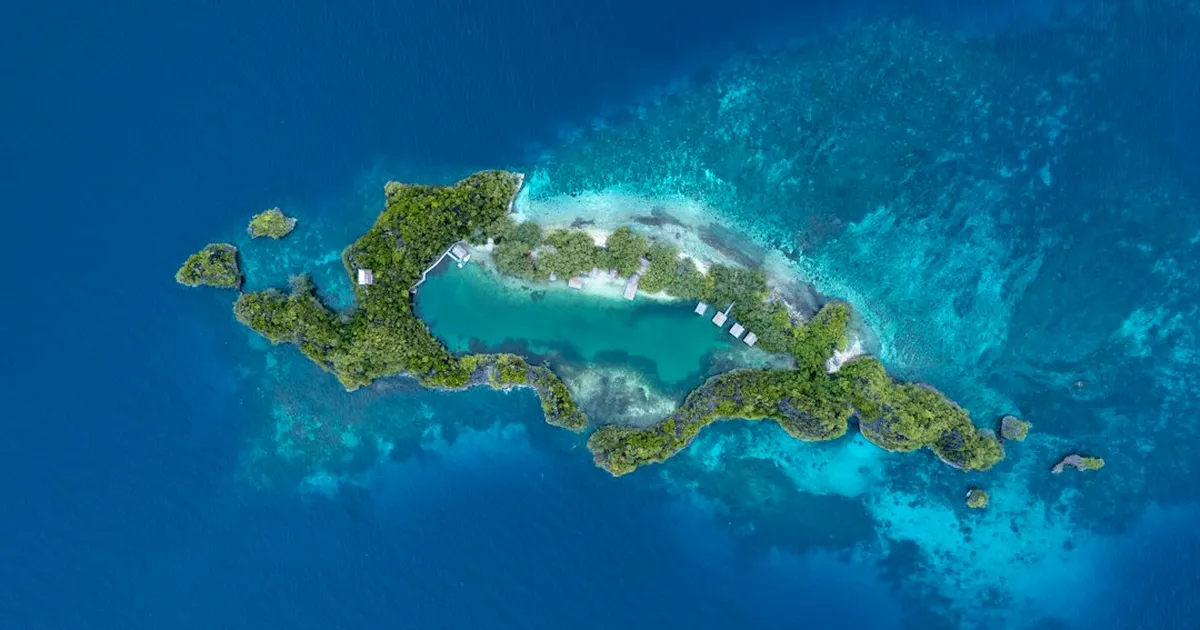
In the “Revive Our Oceans” category, the trust will receive one million pounds, according to the Earthshot Prize, as well as support from its global alliance of partners. The Pacific island nation of Niue has 1,700 inhabitants and protects a marine area larger than the United Kingdom, according to the Earthshot Prize. The entire marine area is under sustainable management, according to the Earthshot Prize, with extraction and fishing prohibited in 40% of it.
The trust was founded by Niuean siblings Coral and Brendon Pasisi together with their colleague Dr. Josie Tamate, according to an Earthshot Prize profile. The groundwork dates back to 2015, according to the organisation SPC-R2R, when Niue approached Oceans 5. This led to the creation of the organisation Tofia Niue in 2016 and a public-private partnership with the government.
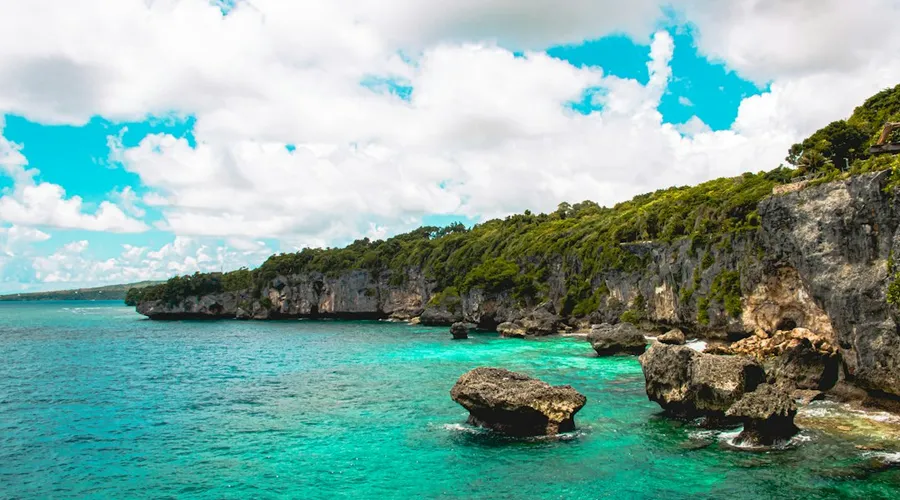
How Niue pays for its ocean
The Ocean Conservation Commitments financing model calculates the annual cost of protecting and managing Niue's sea and converts it into an annual contribution of NZ$250 per square kilometre over a period of 20 years, which is sold to funders worldwide, according to the Earthshot Prize. About 40,000 of these commitments had been funded by more than 800 participants worldwide by September 2026, the Earthshot Prize said. Niue's marine area is 1,200 times the size of its land area. According to the Earthshot Prize, management is costly given the short-term funding available to island states, while illegal fishing, overuse and climate impacts such as rising sea levels and ocean acidification also put pressure on the region.
Niue Moana Mahu: the legal basis
The legal basis for the protection is the Niue Moana Mahu Marine Protected Area Regulations, which, according to a summary by InforMEA, are intended to protect the natural integrity of the area, keeping it generally free of extraction activities while allowing other appropriate, environmentally sustainable use. A separate special management area also protects Beveridge Reef, while Part 3 of the regulations sets out prohibited activities. Niue's cabinet adopted the regulations in April 2020, formally establishing protection for 40% of the exclusive economic zone. That corresponds to an area of 127,000 square kilometres. An announcement in 2017 and a legislative amendment by parliament in 2019 preceded the regulations. Cooperation with the NOW project and its networks expanded the protected area to that 40%, said Josie Tamate, director general of the Ministry of Natural Resources.
Reactions from Niue and the University of Auckland
Niue's Premier Dalton Tagelagi said the award recognised Niue's ongoing commitment to protecting its sea and managing it sustainably for future generations, according to a statement from the government of Niue. The University of Auckland reported that the award included the equivalent of about NZ$2.3 million to expand the trust's marine protection, research, monitoring and community-led initiatives. Professor Sir Collin Tukuitonga of the university called it a proud moment for Niue and the Pacific, saying the trust showed that small island nations could also be global leaders in innovative ocean stewardship.
What the figures leave open
The sources differ in the measure and period to which they attribute the increase. The Earthshot Prize cites a 2023 survey that measured higher fish biomass and more apex predators compared with 2016. According to the survey, fish biomass had increased by 60% and apex predators by 45%. Oceanographic also gives a figure of 60% for fish stocks and 45% for large predators such as sharks and tuna. The magazine attributes these figures to the period from 2023 to 2026.
Whether the model will have an impact beyond Niue
The Earthshot Prize announced that it would help the trust raise a further US$10 million by 2028. This is intended to bring the trust closer to its goal of US$18 million for a permanent fund. Oceanographic reported a funding target of $18 million. At the same time, the prize is intended to share the model with other Pacific island nations, with the goal of having at least one more country commit to adopting it by 2028, as Oceanographic also reported. It remains unclear whether a second Pacific island nation will adopt the model.