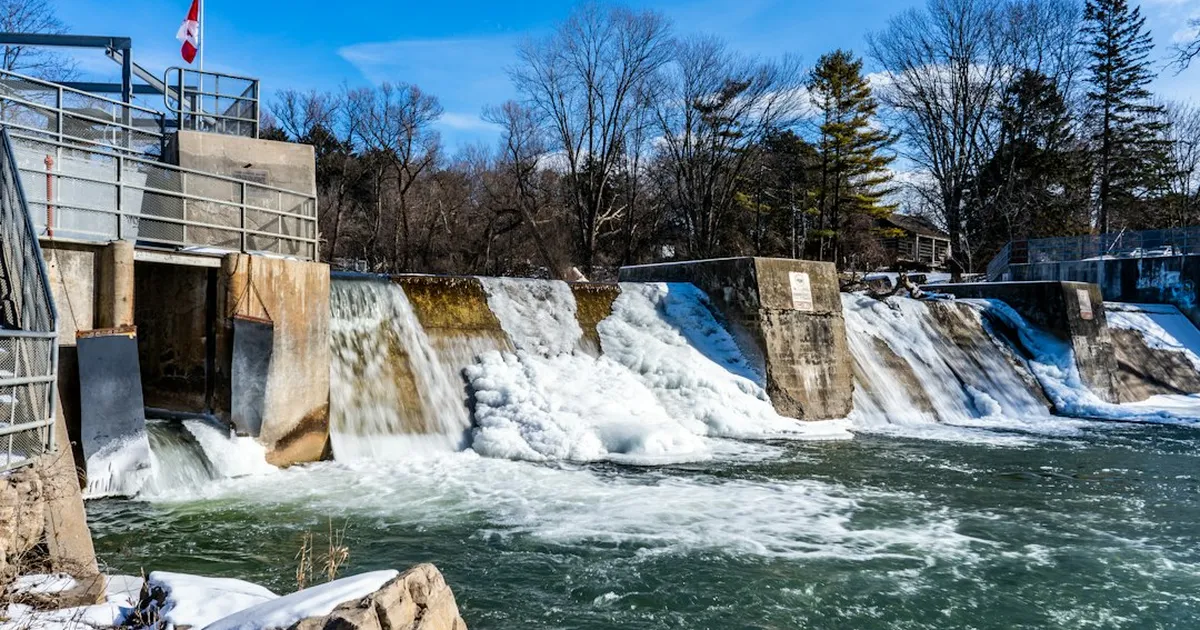
At the Milford fish lift on the Penobscot River, Maine Department of Marine Resources recorded 5.852 million river herring in preliminary counts through September 21, 2026, plus 8,803 American shad, 1,386 multi-year Atlantic salmon, and 1,539 sea lamprey. The river herring count combines alewife and blueback herring; the count does not separate alewife numbers.
More than one river: the numbers at a glance
At the Kennebec River, 145,253 river herring passed through the Lockwood Dam station by September 21, 2026, plus 80 multi-year Atlantic salmon, 15 young grilse salmon, and 17 striped bass. At the Saco River, 170,056 river herring and 1,215 American shad were counted through September 20 at Cataract station, with 93,660 river herring at Skelton station. The Union River near Ellsworth passed 223,830 river herring, the Androscoggin River at Brunswick 55,457, and the Penobscot itself at Orono station an additional 211,491. The St. Croix River's Woodland Dam station closed June 8, having counted 404,082 river herring by that date. The Kennebec River's Benton Falls Dam station counted 4.075 million river herring through June 17, the second-highest single-station count.
Maine Department of Marine Resources explicitly marks these numbers as preliminary. The data come from fish passage counts supplied by agencies, energy companies, and a departmental fisheries officer, collected at facilities typically operated May through early November. Some sites lack data despite documented fish migration: river herring were documented at Weldon Dam on the Penobscot but were not counted; the fishery at Narraguagus River in Cherryfield is now completely out of service.
How the Penobscot became a showcase river
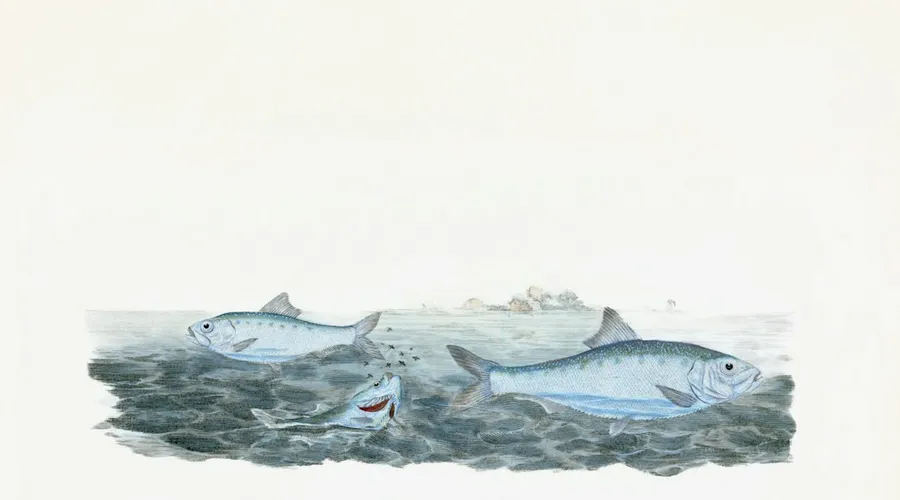
River herring and closely related alewife are anadromous fish, meaning they migrate to the ocean. They are born in freshwater lakes and rivers but spend most of their lives at sea, returning to spawn. Historically, alewife range extended from South Carolina to Newfoundland in Canada, but mills and hydroelectric dams blocked migration in many river systems, severely restricting current distribution. Across southern Maine, dams blocked fish passage since the 1700s; since 1990, a restoration movement has reversed this trend according to the department.
The Penobscot River Restoration Project aimed to restore self-sustaining populations of anadromous fish species through targeted dam removal, improved fish passage, and reoriented hydroelectric use. It culminated in removal of Great Works Dam in 2012 and Veazie Dam in 2013, with Howland Dam taken offline in 2016 and made passable with a bypass. The fish lift at the remaining Milford Dam, where high counts were recorded in 2026, was installed in 2014 by hydropower operator Brookfield Renewable Energy Group, opening river sections above the dam that were otherwise impassable. NOAA Fisheries reports that 15 dams have been removed from the Penobscot watershed since 2010, including two large ones on the main river, with fish passage improved at another 13 dams. Project partners included the Penobscot Nation, American Rivers, Atlantic Salmon Federation, Maine Audubon, Natural Resources Council of Maine, The Nature Conservancy, Trout Unlimited, U.S. Fish and Wildlife Service, and the State of Maine. Chuck Loring Jr., Director of Natural Resources for the Penobscot Nation, noted his people historically used alewife to fertilize gardens.
Statewide, Maine Department of Marine Resources has operated a fish passage construction program since 1969, though departmental figures cite different numbers for the same period and geography between Cumberland and Washington County: sometimes 13 installed fish passages, elsewhere 17 installed and 19 maintained.
Recovery appears across species: Maine Department of Marine Resources counted 1,520 Atlantic salmon on the Penobscot in 2023, the highest count in more than a decade according to NOAA. In 2020, 1,426 salmon returned compared to 1,076 the previous year, a significant improvement from 2014 when only 248 fish returned to spawn. American shad rose from 2,000 fish in 2015 to over 11,000 in 2020, according to NOAA. Still, the river, which according to NOAA hosts the largest remaining Atlantic salmon run in the United States, remains only a fraction of its former self. According to NOAA engineer Matthew Bernier's estimates, up to 100,000 Atlantic salmon, tens of millions of river herring, and 3 to 5 million American shad once passed through the watershed.
Maine approved such management plans in 2010, 2017, 2020, and 2024, with a separate American shad plan in 2020. In its latest stock assessment from 2024, the Atlantic States Marine Fisheries Commission classified coastal alewife and blueback herring populations as depleted compared to historical values. It noted that the Northern New England region, which includes Maine, shows more positive trends than states further south, despite similar dam removal and habitat restoration efforts. The commission remains unclear why. Overall, most population indices today likely exceed 2009 levels, though since the rule's introduction, few clear statistical trends have been established.
In comparison: Fish passages from Sewall Pond to Wight Pond
The scale of earlier decline is shown in fishery commission data: commercial landings of river herring along the entire U.S. East Coast fell from 13.7 million pounds in 1985 to under one million pounds in 2007, a 93 percent decline. Against this backdrop, individual local successes carry weight. In the town of Penobscot, the city replaced a Wight Pond dam with an improved fish passage in 2017; since then, annual alewife counts there have more than doubled. At Sewall Pond, installation of a fish passage under Route 127 in 2014 brought the largest previous progress; the river herring run there has grown since. The Pennamaquan River near Pembroke also showed positive population response to fish passage improvements, with rising return numbers. In February 2025, the relevant Atlantic States Marine Fisheries Commission body approved new commercial fishing rights for Sewall Pond, Wight Pond, Pennamaquan River, and Chemo Pond and Pushaw Lake. Jeff Pierce, Executive Director of Alewife Harvesters of Maine, called the decision a "success story for river herring and Maine communities." At Kennebec River, the Benton Falls Dam station shows how greatly such counts can vary year to year: counts rose from 2.752 million in 2011 to a peak of 5.579 million in 2018, then fell to 3.552 million in 2021. That stock recovery does not automatically mean higher catch rates is shown in coastal commercial landings: they reached 2.79 million pounds in 2023, barely less than 2.82 million pounds in 2022, but still far below 1985 levels.
The open question: excessive mortality despite recovery
Even the Atlantic States Marine Fisheries Commission cannot fully explain why Maine and the broader Northern New England region show better trends than states further south undertaking similar restoration. According to its assessment, total adult mortality remains too high in half of blueback herring populations and in 65 percent of alewife populations.