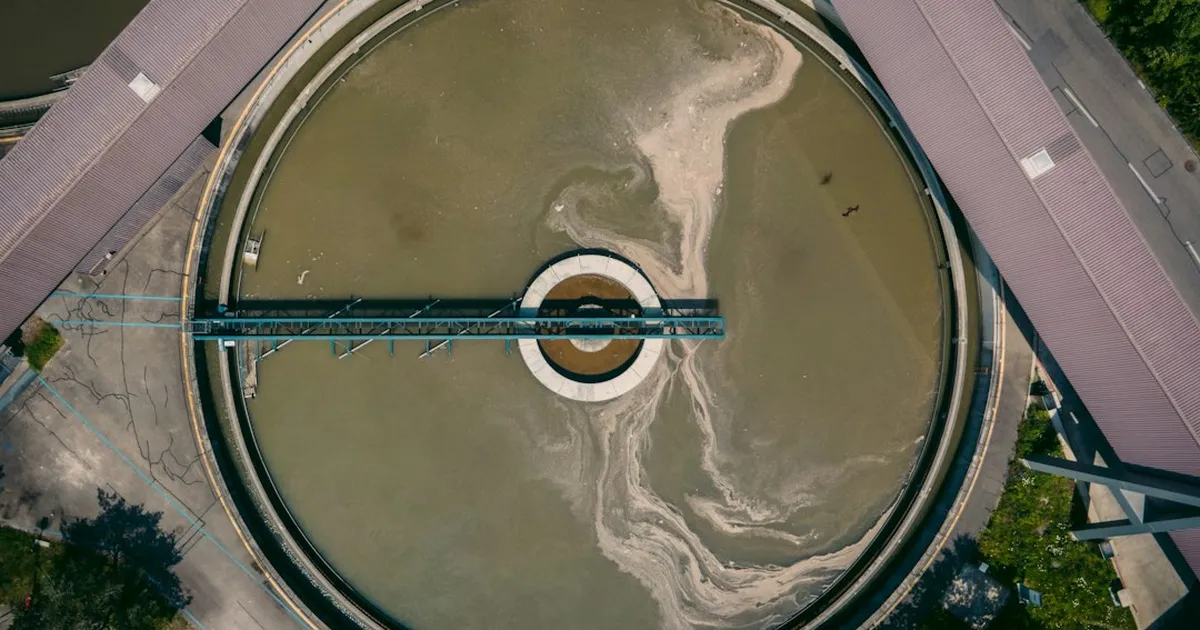
The utility describes the installation as the world's first permanent facility of its kind. According to WHYY and The Philadelphia Inquirer, ACUA installed the system developed by Princeton alumni during the week of publication. Pilot operations at ACUA began in 2024, according to the Inquirer report, after the company initially found little interest among other organizations. Two automated PolyPod filter units mark this transition to permanent commercial operation, according to the company. PolyGone was founded in 2021 by Nathaniel Banks and Yidian Liu, and its partnership with ACUA began in May 2022, according to the information provided.
How the PolyPod draws microplastics out of wastewater
The PolyPod is a closed system with silicone-carbon filters that draw microplastic particles ranging from less than one millimeter to about 5 millimeters in length, roughly the size of a grain of rice, out of the water. The technology mimics ultrahydrophobic wetland plants to which microplastics readily adhere. The automated unit, housed in weatherproof stainless steel, sits directly above the flow of water to the retention basin. An automatic winch raises the filter daily for cleaning, more frequently during storms. High-pressure water jets then dislodge the captured plastics, and an evaporation unit reduces the material so it can be incinerated or recycled. The filter needs to be replaced about once a year, and the entire unit is designed for a service life of 10 to 15 years.
Where the 98 percent figure comes from and what is still missing
According to PolyGone's founders, the technology removed more than 98 percent of microplastic particles under controlled laboratory conditions; the source does not specify the sample size or measurement method. According to Wastewater Digest on October 26, 2026, the company expected to remove a large proportion of microplastics during commercial operation. PolyGone's lead scientist Yueyu Yao said her team would monitor the ACUA project to determine what the facility actually captures, according to the Inquirer. For comparison, the preceding pilot project captured 580 million plastic particles from the plant annually, according to ACUA, while an earlier report by NJ1015 in November 2024 cited 900,000 particles per week for the same project; a common removal rate cannot be derived from the two figures. As of October 25, 2026, there was no state or federal requirement to remove microplastics from wastewater or drinking water. ACUA President Matt DeNafo nevertheless explained the decision this way: “We discharge into the ocean. If we don't remove the plastic from our wastewater, we put it back into the environment.”
What other water utilities could now examine
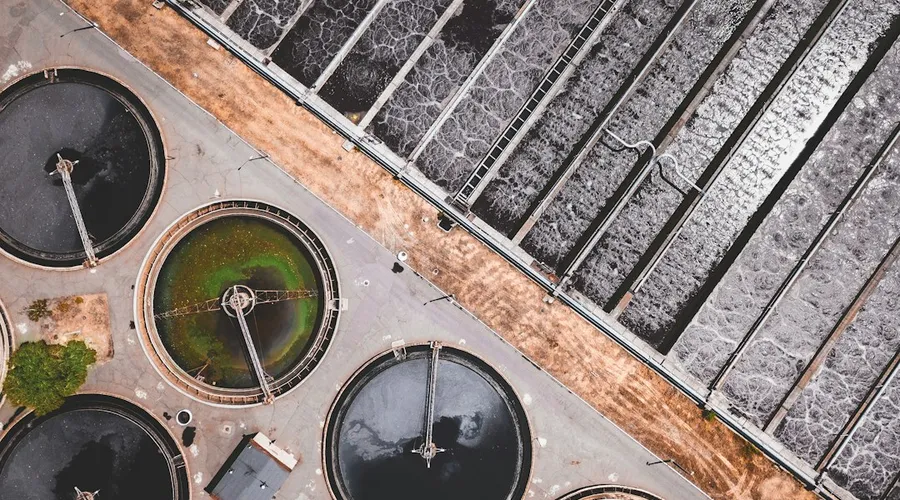
Doug O’Malley, director of the environmental organization Environment New Jersey, called on all water authorities in the region, including the Philadelphia Water Department, to examine PolyGone's work and identify opportunities to expand it. The sources reviewed contain no responses to this call from the authorities concerned. According to Wastewater Digest, PolyGone has already installed a similar system at a wastewater treatment plant in California and is exploring ways to adapt the technology for use in private homes.