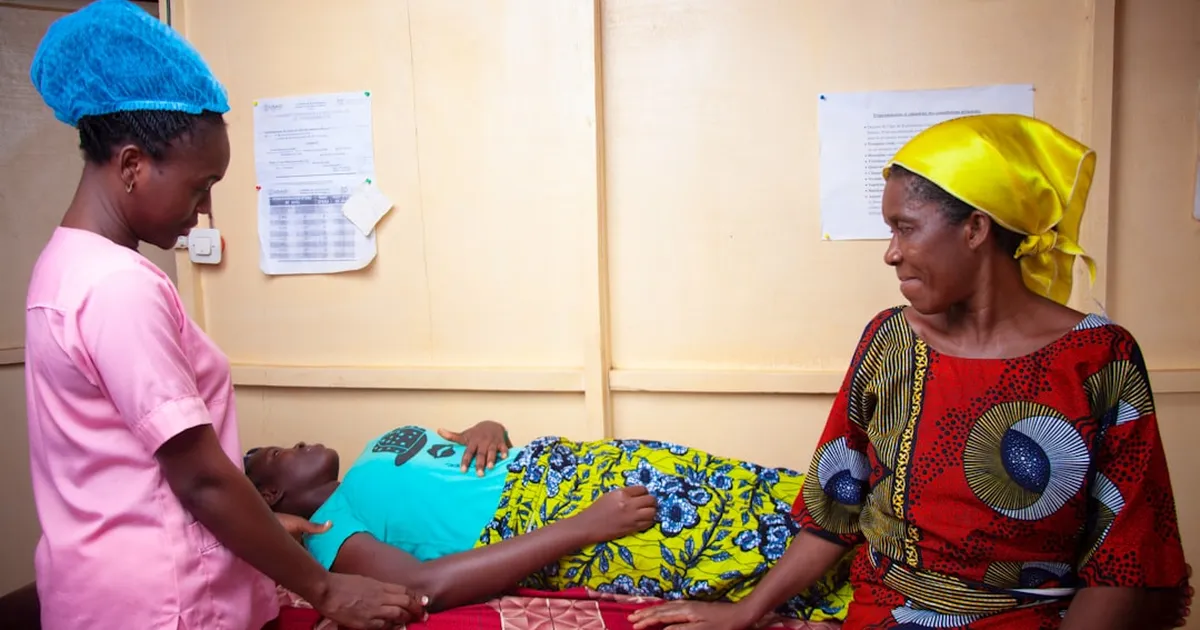
Malaria kills around 400,000 people every year, the majority of them children under five in sub-Saharan Africa. For decades there have been bed nets, insecticides and treatments, but never a vaccine that could be deployed at scale. That has changed: since 28 January 2026, 25 African countries have offered malaria vaccines as part of their routine immunization programs. It is the first time in history that a vaccine against a parasite has been rolled out at this scale.
Two Vaccines, One Target
The WHO has authorized two malaria vaccines: RTS,S, developed by GlaxoSmithKline, and R21, developed by the University of Oxford in partnership with the Serum Institute of India. Both target Plasmodium falciparum, the malaria parasite responsible for most deaths.
Efficacy reaches up to 72 percent seasonally for RTS,S and up to 75 percent for R21 in field trials. That is far below the more than 95 percent protection offered by measles vaccines, but with a disease that kills 400,000 people a year, even partial success is substantial. Early pilot data from Cameroon showed that introducing RTS,S reduced outpatient visits for children under five by 17 percent. In 60 percent of vaccinating districts, fewer deaths were recorded among children under five. GSK has cut the price of RTS,S to under five US dollars per dose.
How Fast the Rollout Is Progressing
Fourteen countries introduced the vaccines in 2024, including Cameroon, Burkina Faso, Nigeria and the Democratic Republic of Congo. Seven more followed in 2025, with Guinea-Bissau joining in January 2026. The countries now covered together account for more than 70 percent of the global malaria burden. More than ten million children per year are currently reached by the vaccination programs.
Funding runs primarily through Gavi, the international vaccine alliance. Gavi has supported the rollout in all 25 countries and plans to vaccinate a total of 50 million children against malaria between 2026 and 2030. According to WHO estimates, the vaccine saves one life for every 200 children vaccinated. At 50 million children, that would be more than 170,000 lives saved.
What Makes This Different From All Previous Vaccines
What makes this breakthrough scientifically significant is the type of pathogen. All previous routine human vaccines target viruses or bacteria. Malaria is caused by a parasite, Plasmodium falciparum, which undergoes a complex life cycle and actively manipulates the immune system. Developing a vaccine against a parasite is considered one of the hardest problems in infectious immunology. The first RTS,S prototype was developed in 1987; the path to WHO authorization in 2021 took 34 years.
Existing interventions have already cut malaria mortality substantially: insecticide-treated bed nets, rapid diagnostic tests and combination therapies halved deaths since 2000. The WHO estimates that combining vaccines, bed nets and treatment could theoretically reduce deaths by more than 90 percent.
Funding Gaps Remain a Risk
The rollout is not without problems. Reports from 2025 and 2026 have documented supply shortages and funding uncertainty, partly due to cuts in health aid from Western donor countries. Production of RTS,S and R21 is set to scale to more than 30 million doses per year by 2027, but has not yet reached that level. The 25 countries do not yet fully cover the needs of their immunization programs.
On 28 April 2026, the WHO will publish its annual World Malaria Report, which will contain the first comprehensive population-level data on vaccine impact. The question is no longer whether the vaccine works, but how fast supply can keep up with rising demand.