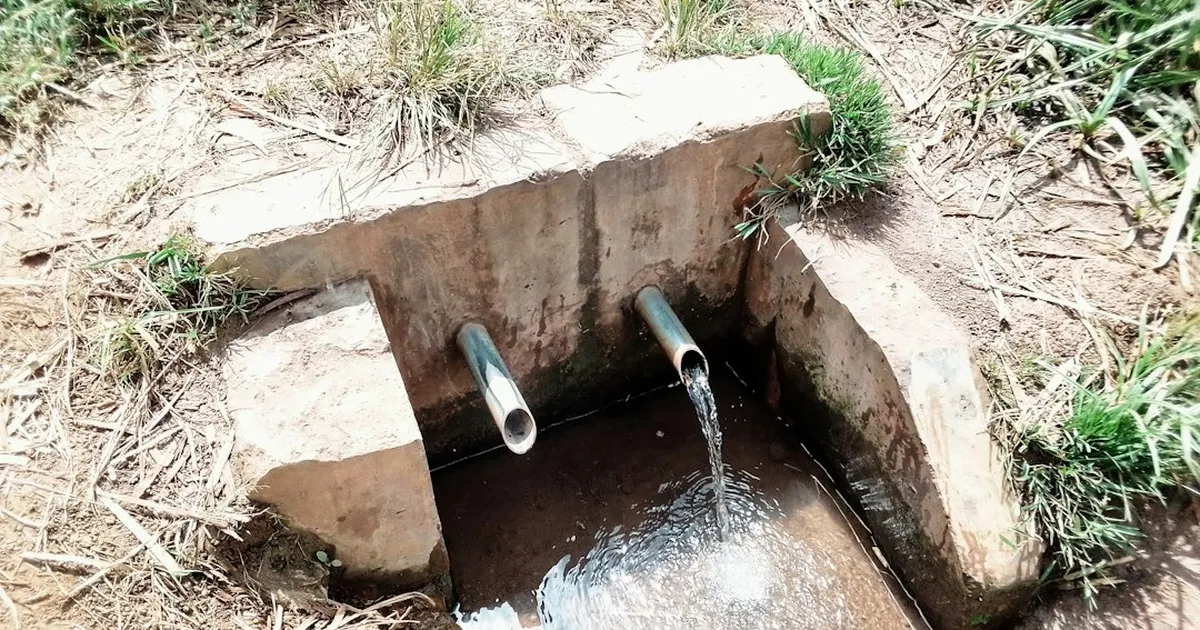
According to the African Development Bank, a launch workshop for the National Urban Water Supply and Sanitation Program (NUWSSP), which it finances, has concluded and paves the way for the program's implementation. The workshop took place from April 8 to 10, 2026, in Nairobi and brought together staff from the Ministry of Water, Sanitation and Irrigation with project teams from the 13 implementing water authorities at county level. The program is to be implemented in 21 towns across 16 counties and, according to Christopher Mutasa, the bank's Lead Investments and Operations Officer, who spoke on behalf of the director for East Africa, will provide better access to water for around 1.4 million people and safe sanitation services for another 500,000 people.
The workshop was opened by Julius Korir, Principal Secretary in the State Department for Water and Sanitation. He stressed that the success of the NUWSSP depended on strong implementation systems, which the training was designed to support. According to a report by Channel Africa, the sessions familiarized the implementing agencies with the bank's requirements for financial management, environmental protection, social protection, gender, monitoring and project management. Samwel Alima of the Ministry of Water said the NUWSSP would strengthen urban water and sanitation infrastructure, improve the reliability of supply and support sustainable development in growing towns. Mutasa urged the implementing authorities to strengthen national coordination, comply with the bank's procedures and accelerate implementation to meet the targets by the planned project completion in 2029.

Building on earlier projects
According to a report by Ecofin Agency, the NUWSSP builds on the Kenya Sustainable Towns Water Supply and Sanitation Program, which is scheduled for completion in December 2026. Completed projects under that earlier initiative have already improved water and sanitation services in participating towns. Another ongoing investment, the second phase of the Nairobi Rivers Basin Sewerage Improvement Project, aims to increase sewerage network coverage in Nairobi from 48% to 60%, benefiting more than 400,000 residents, with a target of treating 80,000 cubic meters of wastewater per day.
Service gaps and investments
WASREB continues to identify gaps in coverage, affordability and reliability, which disproportionately affect rural communities, informal settlements, low-income households and vulnerable groups in particular. According to the Kenya Demographic and Health Survey 2025 2026, 73.4% of the population had access to at least basic drinking water services and 44.8% to basic sanitation services. In urban areas, the figures were 95.2% and 50.8%, respectively. According to United Nations indicators, only 11.2% of domestic wastewater flows in Kenya were safely treated in 2024.
According to the bank, the program is intended to expand water supply capacity by 33,600 cubic meters per day and wastewater treatment by 19,300 cubic meters per day by the targeted project completion in 2029. According to Devdiscourse, as of April 28, 2026, the NUWSSP was part of the bank group's investments of more than $1 billion in Kenya's water sector, about 27% of its portfolio in the country. The key information about the workshop and program comes predominantly from the financing African Development Bank's own account.