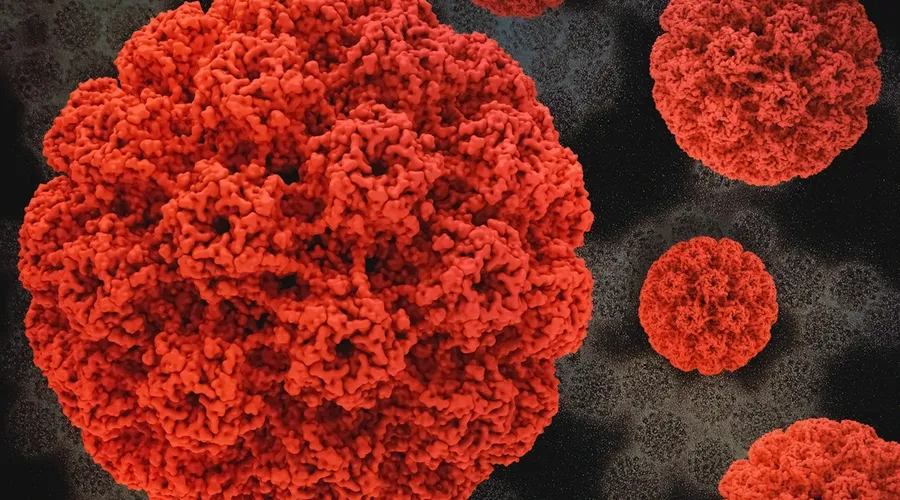
In the ex vivo clinical study cited by the American Dental Association, the chewing gum also clumped HPV together in oral rinse samples from patients with head and neck squamous cell carcinoma.
According to experts cited by the ADA, this type of cancer is among the most common cancers in younger patients worldwide, with the transmission of cancer-causing microbes contributing to its spread and a diagnosis at later stages often meaning poor survival prospects.
How the chewing gum works
According to news site WHYY, the chewing gum is made from hyacinth beans, which contain the natural antiviral protein FRIL; the plant is processed into a powder from which a third-party company makes the gum. Separate virus particles could infect human cells, but clumped particles could not, Daniell said, according to WHYY: The FRIL gum clumps the particles together into a mass that sticks to the gum.
With the additional active ingredient protegrin-1, the chewing gum clumped together nearly 100 percent of the bacteria Porphyromonas gingivalis and Fusobacterium nucleatum, without affecting the capsule-forming bacterial populations studied, according to the ADA. According to ScienceDaily, a single dose of the protegrin-equipped chewing gum extract reduced the two bacterial species to nearly undetectable levels in laboratory samples from patients.

What the results do not yet show
Whether the same effects occur in the human mouth and whether they improve cancer outcomes remains unknown, according to ScienceDaily. An earlier study of the same chewing gum technology, published in 2024, examined its antiviral effect against influenza and herpes viruses, but did not include HPV.
From the laboratory to a clinical trial
According to a WHYY report published in May 2026, the Penn team was to further investigate the effectiveness of the chewing gum in a clinical HPV trial at Penn Medicine planned for 2026. Co-researcher and dentist Marc Henschel said the result of the clinical trial could show how the chewing gum might help protect spouses or intimate partners of people diagnosed with an HPV-related cancer. Study leader Daniell advocated testing the therapies in clinical trials as a complement to existing treatments or to prevent infection and transmission.