At its 46th board meeting from October 26 to 29, 2026, at its headquarters in Songdo, the Green Climate Fund approved 21 new projects that, according to ESG Today, will reach 44 developing countries in Africa, Asia-Pacific, Eastern Europe, Central Asia, the Middle East, and Latin America and the Caribbean. In total, the board approved $1.97 billion in new climate financing, which it said was the highest amount ever approved at a single board meeting of the fund. Ten of the newly approved projects already had agreements signed with the partner organizations involved on October 29 on the sidelines of the meeting in Songdo, the fund said on November 3. A project in Mexico became effective after two agreements were signed and received its first disbursement within three working days of the project agreement taking effect, which the fund attributed to early preparation and close cooperation among the partners.
Why the fund can provide more money
This followed a reform of the financial rules that the board approved at a meeting in Tajikistan in July 2026: Since then, the fund has no longer had to set aside a dollar for every dollar spent, Climate Home News reported. According to the report, the change made $5.65 billion available to the fund for projects, compared with around $1 billion under the old rules. GCF Chief Financial Officer Darren Tan said the previous rules had led to high cash reserves and limited the funds available for use, and that the fund remained financially resilient under the new, independently reviewed system. The fund said these same efficiency measures, introduced at the previous board meeting, contributed to the record approvals in October. The U.S. Treasury Department informed the GCF on January 8, 2026, of the withdrawal of the United States and its intention to give up its board seat, following a presidential memorandum that ordered withdrawal from several international agreements, including the UN Framework Convention on Climate Change.

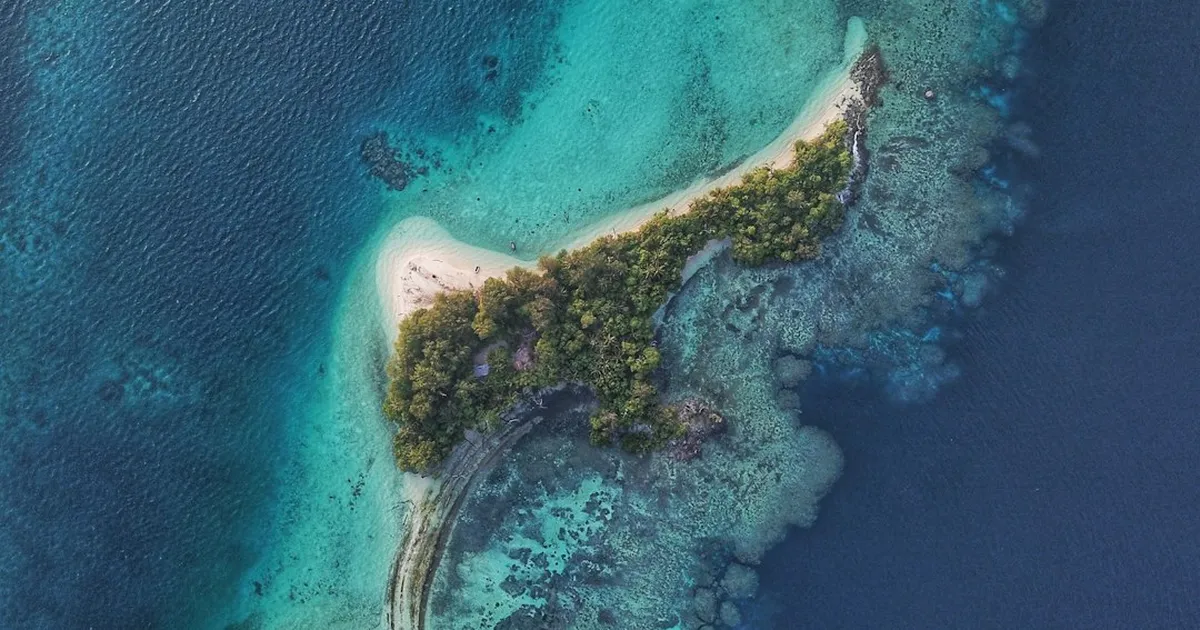
In Fiji, the Fiji Coral Reef Resilience Project, approved with $35.2 million, is intended to protect the Great Sea Reef and strengthen the resilience of more than 120,000 people in coastal communities over 10 years, with a total volume of $42.6 million, Fiji's Ministry of Environment and Climate Change said. Among other things, it is intended to restore 835 hectares of mangroves and 2,524 hectares of riparian forest and establish a management plan for the reef across 20 traditional fishing grounds. In Algeria, a GCF grant of $43 million, with $56.5 million in government co-financing, was approved for a partnership with the FAO to complement the Green Dam ecological belt launched in 1971 against desertification and strengthen the resilience of more than one million people in six provinces. In Mexico, a project approved with $85.3 million recognizes emissions reductions of 12.9 million metric tons of CO2 equivalent already achieved in 2018 and 2019 and is intended to reinvest the payments in forest conservation and more sustainable livestock farming.
There has been progress in signing agreements: After the preceding B.45 meeting, only seven project agreements had been signed by its conclusion, compared with 10 after B.46. Review times have also shortened under the Efficient-GCF standard: 13 of the 15 projects subject to the standard met it with an average review time of six months, compared with a target of nine months, the fund said on October 29, 2026; previous review times were more than two years, according to the 2025 annual report.

Where critics have doubts
Fiji's Ministry of Environment and Climate Change welcomed the approval for the reef project but pointed out that it and a previously approved forest project had each taken more than seven years from concept to approval. Permanent Secretary Dr. Sivendra Michael called for climate finance to be more accessible, flow faster and be geared to local needs so that projects like these could be financed on a larger scale. The ministry also points out that, of more than $16 billion pledged to Pacific countries since the Paris Agreement, over $5 billion has yet to be disbursed. There were also reservations about the financial reform itself: Several board members criticized the lack of time for review, according to Climate Home News, while some developing countries feared the fund would provide more loans and fewer grants in the future. The board decision therefore expressly states that the new policy should change neither the risk appetite nor the mix of instruments used in spending decisions. The sources reviewed contain no statement from the fund on the processing times cited by Fiji.
What determines implementation
Approved funds must be distinguished from funds actually disbursed: According to African Sustainability Matters, approvals initially establish a financing commitment, while implementation depends on conditions, procurement and institutional readiness. There is also the question of donor funding: Because contributions from wealthy countries are weakening, the fund examined controversial options such as bank loans, according to a July 2026 report by Climate Home News, to meet the goal of tripling outflows from multilateral climate funds, agreed after a push by small island states. Liane Schalatek of the Heinrich Böll Foundation, who observed the reform meeting, estimated that the room for maneuver gained through the financial reforms would last one to two years.