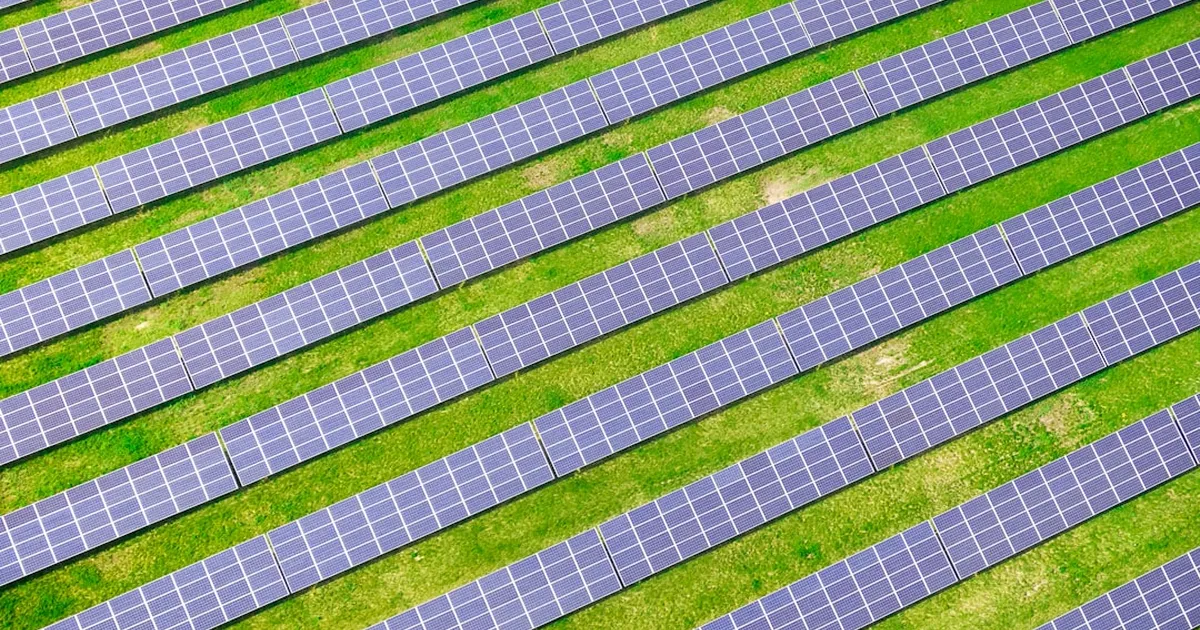
On 8 April 2026, Germany produced more solar power than ever before on any April day: 426 gigawatt-hours. France set its own April record a day later at 136 gigawatt-hours. Days earlier, the oversupply of renewable electricity on Easter Monday had briefly pushed wholesale prices to minus 324 euros per megawatt-hour. Producers had to pay to get their power taken off their hands.
How the Record Happened
Germany's solar capacity has grown sharply in recent years. In 2025 alone, 16.2 gigawatts of new installations came online, a national annual record. The Fraunhofer Institute for Solar Energy Systems calculated that wind and solar together were the most important source of electricity in Germany for the first time in 2025, with a 56 percent share of total public generation. Coal and gas play an ever smaller role.
The 8 April record came during a spell of strong spring sunshine. The combination of expanded installed capacity and good weather produced the historic daily peak. Negative prices earlier that week reflected another factor: on Easter Monday industrial demand was low while renewables were feeding in at full strength.
What Negative Prices Mean
Negative electricity prices occur when the grid must absorb more energy than is consumed. Controllable plants like gas-fired stations can throttle output but need time and have technical minimum-load limits. Pumped-storage facilities can absorb surplus power but are capacity-constrained. According to Bloomberg, intraday prices on Easter Monday 2026 fell to as low as minus 323.96 euros per megawatt-hour.
For private households, negative wholesale prices are not a direct benefit. Residential electricity prices include fixed grid fees, taxes and levies that are independent of wholesale swings. Anyone with a smart meter and a dynamic tariff can profit from low-cost hours, for example by charging an electric vehicle or running a heat pump.
What the Energy Transition Now Faces
The results show that the energy transition works technically. The challenge is no longer generation but storage and grid expansion. Germany has passed a law that automatically throttles photovoltaic systems above ten kilowatts when prices remain negative, to avoid grid overloads. Critics worry that this dampens investment incentives for new solar and contradicts build-out targets.
Outlook
The federal government's goal is 215 gigawatts of installed solar by 2030. At the end of 2025, installed capacity stood at roughly 99 gigawatts. That means the pace of new additions has to accelerate further, and record days like 8 April will become normal. The decisive question then is no longer whether enough power is generated, but whether grids, storage and flexible demand can keep up.