Anyone following German energy policy knows the pattern: record announcements come and go, yet the structural shift is slow. In the first quarter of 2026, a threshold that really matters was crossed. From January to March, 53 percent of Germany's electricity consumption came from renewable sources: wind, sun, water and biomass. Never before had that share crossed the 50 percent mark.
What the Numbers Say
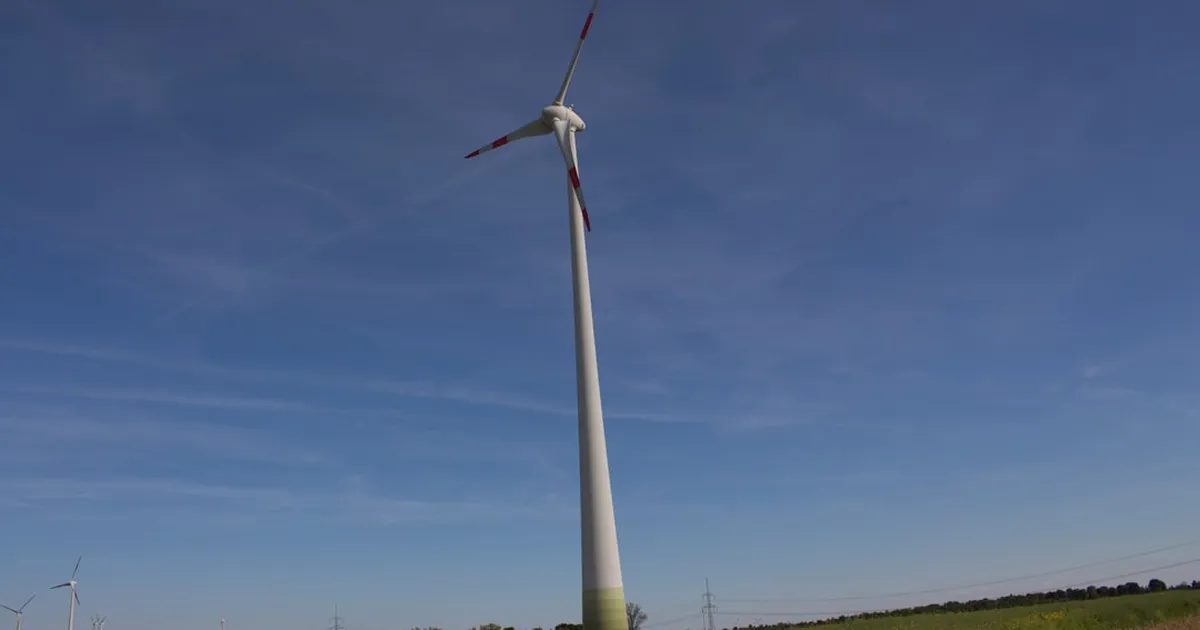
According to the Federal Association of the Energy and Water Industry (BDEW) and the Centre for Solar Energy and Hydrogen Research (ZSW), the renewables share rose by almost six percentage points compared to the first quarter of 2025. Wind contributed most of the growth, rising 27 percent to 42.8 billion kilowatt-hours. Wind alone accounted for the largest part of the increase.
More favourable wind conditions played an important role. 2025 had been a below-average year for wind, which keeps the comparison value low. Even so, the trend points in one direction: installed capacity is growing and generation is keeping pace.
The Structural Background
Germany has raised the share of renewables in its electricity consumption from roughly 17 percent in 2010 to more than half today. The build-out was for years criticized as too expensive, too slow and too unreliable. Now the investments in wind farms, solar parks and grid expansion appear to have reached a tipping point.
Fraunhofer ISE researchers had already reported 2025 as a record year, in which wind and solar together led generation and solar overtook lignite for the first time. The first quarter of 2026 continues that development, at a higher level.
Between Record and Reality
53 percent on a quarterly average does not mean Germany is independent from fossil fuels every hour. On low-wind, overcast winter days, gas-fired plants still cover base demand. BDEW emphasizes that further grid expansion and new storage capacity are essential to make volatile generation reliably usable.
The import balance also remains a factor. In hours of overproduction Germany exports electricity, in shortfall hours it imports. The 53 percent figure refers to gross consumption, not to around-the-clock supply security.
Outlook for 2026
BDEW and energy analysts expect renewables to reach around 60 percent of electricity consumption for the full year 2026. That would be another record. The drivers are accelerated expansion of onshore and offshore wind and continued growth in photovoltaic installations, which again ran well above targets in 2025.
The 1st of April 2026 marked the end of the quarter. The result is not a coincidence but the product of two decades of rebuilding the electricity system. What remains to be seen is whether the second part of the transition, reliability even without sun or wind, will succeed.