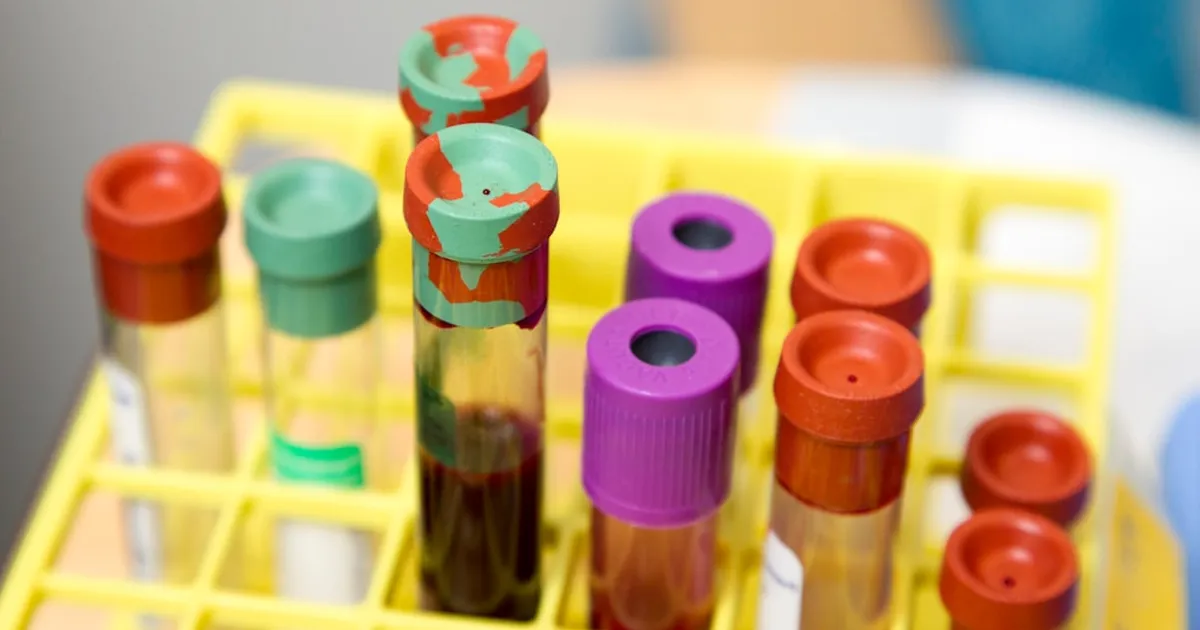
A single blood draw. Over 50 cancer types detected before symptoms appear. A false-positive rate of just 0.4 percent. For years these were laboratory promises. As of February 19, 2026, they are the published results of the largest randomized controlled trial ever conducted in cancer screening. The NHS and biotech company Grail released data from the NHS Galleri Trial with 142,000 participants: the Galleri test detects four times more cancers than standard care.
Why Early Detection Matters
Survival odds in cancer depend heavily on the stage at diagnosis. For lung cancer, the five-year survival rate is above 60 percent at Stage I and below ten percent at Stage IV. For pancreatic cancer, the gap between Stage I and Stage IV exceeds 80 percentage points. The problem: many cancers, among them ovarian, esophageal and liver cancer, cause no symptoms for years and are typically caught late, when cure is rarely possible.
Routine screening programs exist for a handful of common cancers: mammography for breast cancer, colonoscopy for colorectal cancer, PSA testing for prostate cancer. For most of the more than 100 known cancer types, no standard screening program exists. That is the gap the Galleri test aims to fill.
What the Test Does and How It Works
The Galleri test, developed by US biotech company Grail, analyzes cell-free DNA fragments circulating in the blood — shed by dying cells. Cancer cells leave behind distinctive methylation patterns that differ from normal tissue. Machine-learning algorithms identify these patterns. When a cancer signal is found, the test also indicates the most likely tissue of origin with about 90 percent accuracy, significantly speeding up follow-up diagnostics: doctor and patient immediately know where to look.
In the NHS Galleri Trial, 142,000 people aged 50 to 77 were followed for three years. The core results published February 19, 2026: for the twelve cancer types responsible for two-thirds of all cancer deaths, including lung, pancreatic and ovarian cancer, the detection rate was 73.7 percent. Overall detection across all cancer types reached 40.4 percent. Crucially, the proportion of Stage IV diagnoses fell in each screening year, meaning more tumors were caught before they had spread.
Limits and Caveats
The test is not a silver bullet. Detection rates for early-stage disease are lower: 27.5 percent overall for early stages, 16.8 percent for Stage I alone. Most early cancers go undetected. A positive result always requires follow-up, whether imaging, biopsy or endoscopic procedures. The test does not replace existing screening programs. Those who need a mammogram or colonoscopy still do.
A specificity of 99.6 percent sounds high. In practice, population-wide screening of one million people would generate roughly 4,000 false positives, people without cancer who face extensive follow-up workups. Grail emphasizes the test is not intended for mass population screening but for adults over 50 with elevated cancer risk.
Approval and Availability
In the United States, the Galleri test is commercially available, not as an FDA-approved test but as a Laboratory Developed Test under the CLIA regulatory framework for high-complexity laboratories. Since February 4, 2026, digital health company Hims & Hers offers the test: $699 for subscribers, $949 at regular price. The FDA has granted the test Breakthrough Device Designation. On January 29, 2026, Grail submitted the final module of its Premarket Approval application; full FDA clearance is still pending.
In the UK, debate is underway on whether and at what cost the test should enter the NHS benefits package. The NHS Galleri Trial was the world's first randomized controlled trial for a multi-cancer early detection test of this kind. Its results form the empirical foundation for policy decisions on potential public funding.
What Comes Next
Grail expects an FDA decision on its Premarket Approval application during 2026. Until then, the test in the US remains accessible only to paying patients. Whether it will become part of a free national screening program, in the NHS or other health systems, depends on cost-benefit analyses that have only just begun. The NHS trial data provide the first robust evidence base for those calculations. The central question for health policy in the years ahead: do the lives saved justify the costs of investigating false alarms at scale?