On May 5, 2026, at 00:07, camera traps photographed an Indian pangolin in the Saranda Forest Division in Jharkhand, as the study in the scientific journal Oryx shows. According to the study's authors, no photographic evidence from Jharkhand was previously known. The camera traps operated from April to July 2025 and from November 2025 to June 2026, producing only two photographs of the species in total on a hill at an altitude of 382 metres. According to the authors, pangolins had previously been recorded in Jharkhand in wildlife trade incidents, but there was no confirmed evidence of their presence in the wild. The Indian pangolin is listed as endangered on the Red List of the International Union for Conservation of Nature, is protected under Schedule I of India's Wildlife (Protection) Amendment Act of 2022 and is listed in Appendix I of CITES.
Saranda: a sal forest under pressure
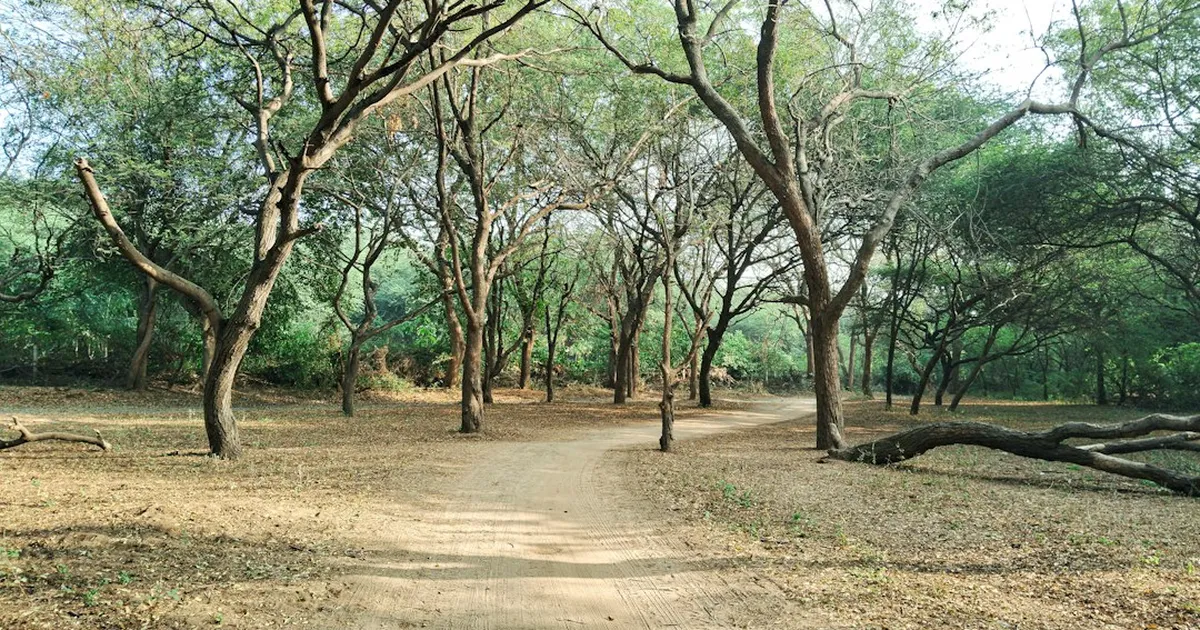
On November 13, 2025, India's Supreme Court said that the forest, together with areas in Odisha and Chhattisgarh, formed a continuous wildlife corridor. According to The Indian Tribal, the court ordered Jharkhand to officially designate part of the forest as a wildlife sanctuary within three months and banned mining in the area.

A long-running dispute over the protected area
The conflict goes back a long way: in 1968, the then undivided state of Bihar declared 314 square kilometres of sal forest the Saranda Game Sanctuary, but efforts to secure protection under the Wildlife Protection Act of 1972 met with continued opposition from the Jharkhand government, according to The Indian Express. Jharkhand had argued that a larger protected area would affect mining and worsen the Naxalite insurgency. The Supreme Court rejected the state's concerns about settlements and forest dwellers' rights as unfounded and said the state should have informed forest dwellers of their rights. The court cited provisions of the Wildlife Protection Act and the Forest Rights Act that protect the rights of tribal communities and forest dwellers even after the area is designated a protected area.

Deadlines missed through May 2026
By the time of The Indian Express report in May 2026, Jharkhand had let several earlier deadlines pass and had also missed the three-month deadline set by the court. Following an objection by the court administration on February 17, the state refiled a review petition in late April that had yet to be heard. Jharkhand's lawyer Pallavi Langar said the petition was based on the possibility that the effects on tribal settlements and roads could require further investigation. The study's authors, meanwhile, see the pangolin's continued presence in Saranda as evidence of the region's conservation value and are calling for a detailed population survey and a conservation action plan to secure the species' long-term survival.