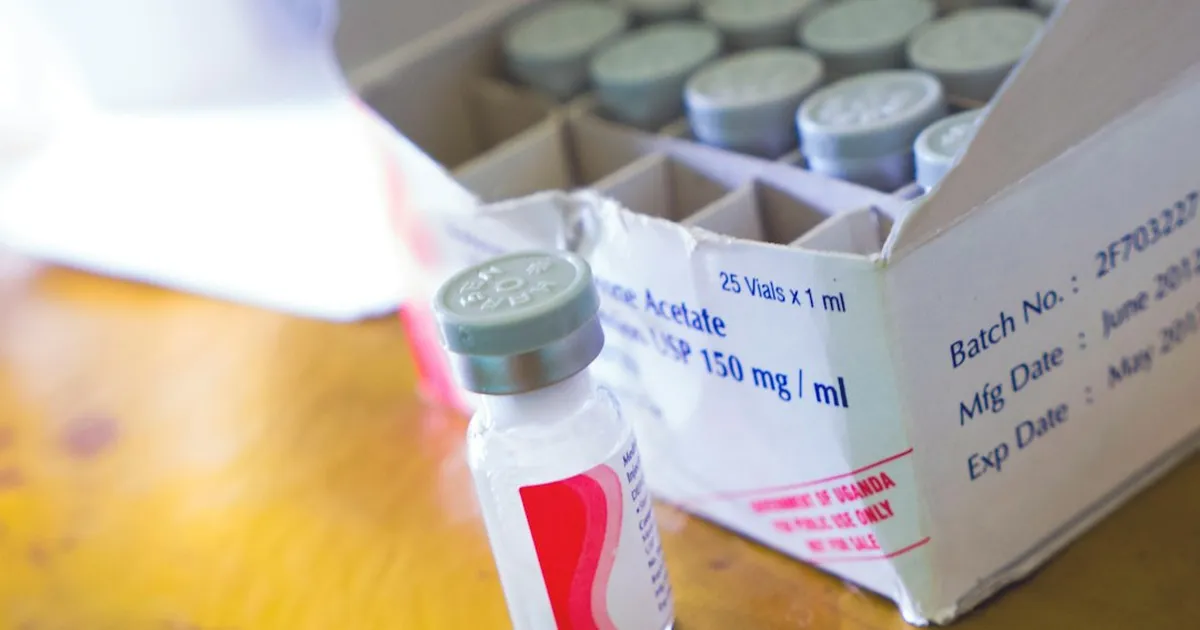
CHAI described the tentative approval as a milestone bringing an affordable version of the highly effective, twice-yearly HIV prevention injection closer to people in the 120 licensed countries. CHAI expects initial deliveries by the end of 2026, with a broader rollout planned for 2027.
Lenacapavir is a long-acting HIV-1 capsid inhibitor with a novel mechanism of action. According to Dr. Reddy's, a negative HIV status must be confirmed before treatment begins and before each subsequent injection. In its guideline on lenacapavir and testing methods, the World Health Organization recommends the drug as an additional option within combination HIV prevention approaches and describes it as highly effective in reducing the risk of infection. The study authors conclude that the HIV rate with lenacapavir in this study population was significantly lower than the estimated background incidence and than with the comparator tablet F/TDF. In the United States, the original drug is known as Yetzugo and was approved there by the FDA the previous year, the specialist news service STAT reported.
From the original drug to a generic in 16 months
The licensing agreement published by Gilead stipulates that a licensee may sell a product for PrEP only once Gilead itself has received approval for that use from the FDA or the EMA, whichever is granted first. In September 2025, a pricing agreement between Unitaid, CHAI, the Wits Reproductive Health and HIV Institute (Wits RHI) and Dr. Reddy's followed, committing early to an access price of US$40 annually while also providing financial, technical and regulatory support for development and approval procedures. The FDA had already approved Gilead's original drug for HIV prevention in June 2025; in the United States, Gilead sells it for more than $28,000 per person per year, according to Doctors Without Borders (MSF). CHAI chief executive Neil Buddy Shah said a generic had thus been approved just 16 months after the original drug, rather than after a decade. Carmen Pérez Casas, who is responsible for HIV at Unitaid, told The Independent that a generic had never followed the approval of the original drug so quickly.
Tentative approval does not equal access
According to CHAI, tentative approval is the FDA's usual designation for generics while the original drug remains under patent protection. It already allows procurement by the U.S. government. According to Dr. Reddy's and CHAI, broader availability requires further steps such as national approvals in individual countries and WHO prequalification of the generic.
According to Unitaid, the generic injection is accompanied by an initial course of oral medication costing no more than $17, intended to rapidly establish protective drug levels. Until now, Gilead had been the sole supplier and sold only small quantities at lower prices to poorer countries, while demand far exceeded supply, according to The Independent. Carmen Pérez Casas said demand could not be met by Gilead alone because the company was not producing enough. More than 125,000 people in ten African countries had already started using Gilead's original drug, according to CHAI, while Unitaid cited 175,000 people who had received a dose, according to The Independent. The Global Fund to Fight AIDS, Tuberculosis and Malaria and the U.S. government aim to jointly reach three million people with lenacapavir by the end of 2028, after an earlier commitment by PEPFAR and the Global Fund had initially envisaged up to two million people.
Why 26 countries remain excluded
Doctors Without Borders welcomed the tentative approval in a statement dated November 4, 2026, but criticized Gilead's licensing restrictions for continuing to exclude people in dozens of countries from affordable access. According to the organization, Gilead allows six manufacturers to produce generics but contractually prohibits their sale in 26 low- and middle-income countries. The licensing agreement published by Gilead itself states that licensees may not sell or distribute products outside the agreed licensed territory or for other purposes, either themselves or through third parties. Carlota Baptista, who is responsible for HIV and HCV access and advocacy globally at MSF, pointed out that the excluded countries included large parts of Latin America, a region where new HIV infections had risen by 25 percent since 2010. She called on Gilead to allow all countries access to the generics, saying governments would otherwise have to intervene. The sources reviewed contain no statement from Gilead on this specific demand. Gilead itself describes voluntary licensing to generic manufacturers as its main strategy for broad, sustainable access in the 120 countries with high incidence and limited resources, and says it intends to supply its own stocks to priority countries without making a profit until its licensing partners reach full supply capacity. Pérez Casas told The Independent she hoped the countries currently excluded could also gain access to the low-cost generics in the near future.
Zambia expected to be among the first countries to benefit
Zambia is likely to be among the first countries to receive generic lenacapavir before the end of the year, The Independent and the specialist news service Health Policy Watch reported; Unitaid hopes for a delivery by World AIDS Day on December 1. In September 2026, the Global Fund expected initial generic deliveries in late 2026 and broader availability during 2027. It said regulatory approval and registration of the products by individual countries would be crucial to ensuring that available quantities could cover total demand. Around 1.2 million people worldwide become newly infected with HIV each year; experts estimate that around 20 million people would need PrEP to bring the epidemic under control, ideally half of them receiving it as an injection.