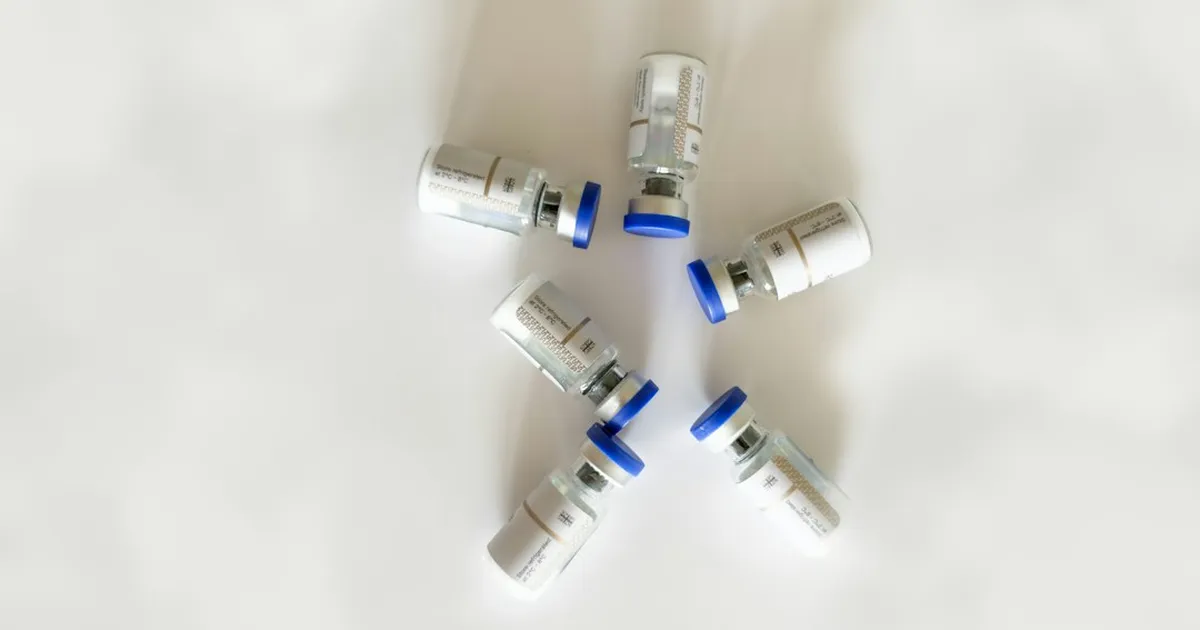
The treatment is intended for adults and children weighing at least 7 kilograms whose neurological symptoms of Niemann-Pick disease type C began before age 6. The specialist publication Contemporary Pediatrics also confirmed the approval for this specific group of patients.
Basis for approval: 55% lower risk of death
The approval was based on an analysis of overall survival among patients with early-onset NPC who had been treated in three clinical trials and an expanded access program, compared with matched external controls. The FDA considered this comparison an adequate and well-controlled study; the analysis showed a 55% lower risk of death. According to NeurologyLive, the assessment included 36 treated patients, whose median survival was 8.5 years, compared with 4.9 years for the controls. The disease itself is rare, according to an FDA estimate cited by NeurologyLive: About 1 in 150,000 people is affected. In the United States, according to Beren Therapeutics, about 475 children, roughly half of all NPC patients, have the early-onset form of the disease. Earlier onset of neurological symptoms is associated with faster disease progression and earlier death, according to the manufacturer: When symptoms begin before age 2, the mean age at death is about 5.6 years; when they begin between ages 2 and 6, it is about 13.4 years.

Warning of permanent hearing loss
Lembaz is administered exclusively intrathecally, meaning it is injected into the fluid around the spinal cord. According to Beren Therapeutics, treatment can cause permanent hearing impairment ranging from mild to severe hearing loss, including in people who previously had normal hearing; it is not known whether continuing treatment or reducing the dose affects the risk of further hearing loss. Hearing is therefore fully assessed before treatment begins; the results help determine the dose. The most common side effects also include ataxia and fatigue, which can be more pronounced at higher doses and required hospitalization in severe cases.
Why an earlier study was terminated
The sponsor at the time of a study of adrabetadex in NPC1 said in January 2021 that there was no clear evidence of a benefit and that the risk of treatment was greater than the chance of benefit; the study was subsequently terminated. A phase 3 study was also discontinued, according to ClinicalTrials.gov, because the sponsor considered the benefit-risk balance unfavorable. According to Mandos Health, Mandos LLC took over the treatment later in 2021 and subsequently worked closely with the FDA on the regulatory pathway for the application, which included an externally controlled survival analysis; in 2025, adrabetadex received breakthrough therapy designation for the early-onset form. Beren Therapeutics, which says it is the parent company of Mandos LLC, submitted the application for approval; the company said on February 23, 2026, that the FDA had accepted it for review and set a target date of August 17, 2026. According to Contemporary Pediatrics, the comparison with external rather than randomized controls has a limitation: Historical comparison groups may differ from treated patients in ways that matching does not fully account for. An earlier analysis presented in March 2026 had found a 71% lower risk of death among 72 treated children and 119 matched controls. That figure differs from the 55% on which the current approval is based.
By comparison: Two other NPC treatments with no demonstrated survival benefit
Arimoclomol from Zevra Therapeutics is used with miglustat from age 2, while levacetylleucine from IntraBio is used from a body weight of 15 kilograms. Neither treatment has so far been shown to reduce mortality, and their age and weight limits, respectively, restrict their use in the youngest, most severely affected children.
What affected families can do now
Beren Therapeutics said Lembaz is expected to be available at treatment centers across the United States in early December. The company has also established LEMBAZ Family Support and the Caregiver Ambassador Program: One offers financial and personal support, while the other connects people with caregivers who have personal experience of treatment. For families considering treatment, finding a suitable treatment location is crucial, according to Beren Therapeutics.