Roche announced the approval of obinutuzumab (Gazyva/Gazyvaro) on November 16, 2026; the treatment is intended to induce proteinuria remission. According to Roche, Gazyva/Gazyvaro is the only FDA-approved therapy for this disease; the drug had previously received Breakthrough Therapy designation.
What primary membranous nephropathy means
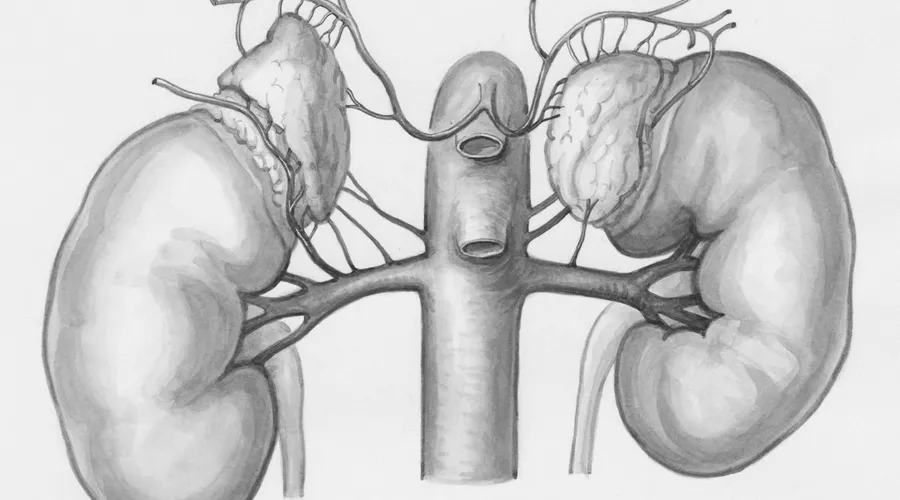
In primary membranous nephropathy, according to Roche, the body's immune system attacks the glomeruli, the kidney's filtering units; this causes protein to enter the urine, and kidney function can gradually decline. This loss of protein in the urine, known as proteinuria, is considered an important indicator of kidney damage. The disease is chronic; without treatment, according to Roche, up to 30% of patients develop kidney failure within 10 years. In the United States, the annual incidence of new cases is estimated at 1.2 cases per 100,000 people. According to the specialist publication PMLiVE, those affected frequently experience fatigue, fluid retention and substantial emotional and social burdens; achieving complete remission is considered important for preserving kidney function and delaying or preventing serious complications.
What the MAJESTY study shows
According to Roche, MAJESTY was a randomized, open-label, multicenter Phase III study in which 142 adults with primary membranous nephropathy were assigned in a 1:1 ratio to obinutuzumab or tacrolimus. The primary endpoint was the proportion achieving complete proteinuria remission after two years, at week 104. The study publication in the New England Journal of Medicine defines complete remission as a urinary protein-to-creatinine ratio of no more than 0.3 with stable kidney function.
After two years, 36.1% of patients receiving obinutuzumab achieved complete remission, compared with 5.7% receiving tacrolimus. The adjusted difference was 31.1 percentage points (95% confidence interval 18.2 to 44.0; p<0.001). An analysis using multiple imputation of missing data reports 37% versus 6% for the same week. Obinutuzumab was also superior on key secondary endpoints: at week 104, 50% of patients achieved overall remission, compared with 12.9% receiving tacrolimus. Complete remission at week 76 was achieved by 36.1% versus 8.6%. According to Roche, safety was consistent with the known profile of Gazyva/Gazyvaro; no new safety signals were identified. The data had been presented at the European Renal Association congress in June 2026 and published in the journal.
Why critics want a different comparator
In a letter to the journal Kidney International Reports, Ruggenenti and colleagues write that the Kidney Disease: Improving Global Outcomes guidelines have recommended rituximab as first-line therapy for membranous nephropathy with a high risk of progression since 2021, while calcineurin inhibitor monotherapy is not recommended. They therefore consider rituximab the relevant comparator when testing new therapies and find it unclear why the MAJESTY control group instead received tacrolimus monotherapy. In their response published in the same journal, authors Giri, Glassock and Fervenza, the latter a MAJESTY investigator, agreed: rituximab, as the current standard of care, would have been the better comparator. A direct comparative study demonstrating superiority over rituximab, a criterion required by the FDA according to the authors, would have needed 1,005 to 3,684 randomized patients depending on the assumed rates, which the authors consider unfeasible. As a further argument, they cite the fact that, despite the guideline recommendation, rituximab was not FDA-approved for membranous nephropathy in the United States and insurance coverage had become increasingly difficult to obtain. Ruggenenti and colleagues also point to potential cost differences: obinutuzumab following the MAJESTY regimen costs nearly €7,000, compared with approximately €2,000 for rituximab following the regimen of the MENTOR study. The earlier MENTOR study had shown in 2019 that rituximab was superior to cyclosporine treatment. After 24 months, 60% of patients receiving rituximab achieved complete or partial remission. Among those receiving cyclosporine, the figure was 20%. Rituximab's combined remission rate in MENTOR was thus substantially higher than the 36.1% complete remission rate MAJESTY showed for obinutuzumab, although the two studies count different endpoints: MENTOR combines complete and partial remission, while MAJESTY reports complete remission separately as well as overall remission comprising complete or partial remission.
What the study registry entry shows
In the study registry ClinicalTrials.gov, MAJESTY is registered as an active-controlled study of the efficacy and safety of obinutuzumab in primary membranous nephropathy. According to the registry, the study began on June 25, 2021; primary study completion occurred on December 22, 2025, while overall completion is not estimated until December 21, 2027. The status is listed as active, but no longer recruiting, last verified in September 2026, with an update dated October 1, 2026. According to the registry, the study sponsor is the industrial company Hoffmann-La Roche; according to the study plan, randomization was to take region and anti-PLA2R autoantibody titer into account.
Which risks the prescribing information identifies
The prescribing information specifies a dose of 1,000 mg each at the first infusion and at weeks 2, 24 and 26 for primary membranous nephropathy. Its highlighted warnings include possible reactivation of a hepatitis B infection, which in some cases can lead to fulminant hepatitis, liver failure and death, as well as progressive multifocal leukoencephalopathy, which can also be fatal. According to the specialist publication BioPharm International, the approval press release provides no adverse event rates, no information on treatment discontinuations and no warnings from the product information; the group at risk of progression covered by the approval wording also remains undefined in the release.
Open questions about use
In the authors' assessment, the pharmacokinetics of obinutuzumab in the nephrotic state have not yet been characterized; response-guided dosing instead of the fixed four-dose regimen still needs to be tested prospectively. They also consider standardized definitions of immunological remission and resistance necessary to obtain better comparative evidence.