Germany's electric vehicle market is bouncing back faster than most analysts expected. In March 2026, new EV registrations rose by 66% compared to March 2025, according to figures from the Federal Motor Transport Authority (Kraftfahrtbundesamt). A total of 47,200 battery electric vehicles were newly registered in the month, bringing the EV share of all new car registrations to 19.4%.
After a Rough Year, a Clear Rebound
The numbers mark a decisive turn from 2024, when Germany's EV market contracted sharply following the abrupt end of the federal purchase subsidy in late 2023. Registrations fell by more than 25% in the first half of 2024, prompting concerns that Germany was falling behind France and the UK in the European transition to electric mobility. Automakers including Volkswagen and BMW pushed back production targets and publicly called for renewed government support.
The recovery is being driven by several converging factors. A new round of state-level purchase incentives, most notably in Bavaria and Baden-Württemberg, has offset part of the federal subsidy gap. A wave of new models in the €25,000 to €35,000 segment, including the Volkswagen ID.2 and a refreshed Renault 5 Electric, has expanded the market beyond early adopters and company fleets.
The Fleet Factor
Corporate fleet purchases remain the single largest driver of EV adoption in Germany, accounting for roughly 60% of all new registrations. A 2025 change to company car tax rules, which reduced the taxable benefit for electric vehicles used as company cars, accelerated the shift. Medium-sized companies that previously delayed fleet electrification due to charging logistics are now moving more decisively, particularly as the public fast-charging network has expanded significantly in the past 18 months.
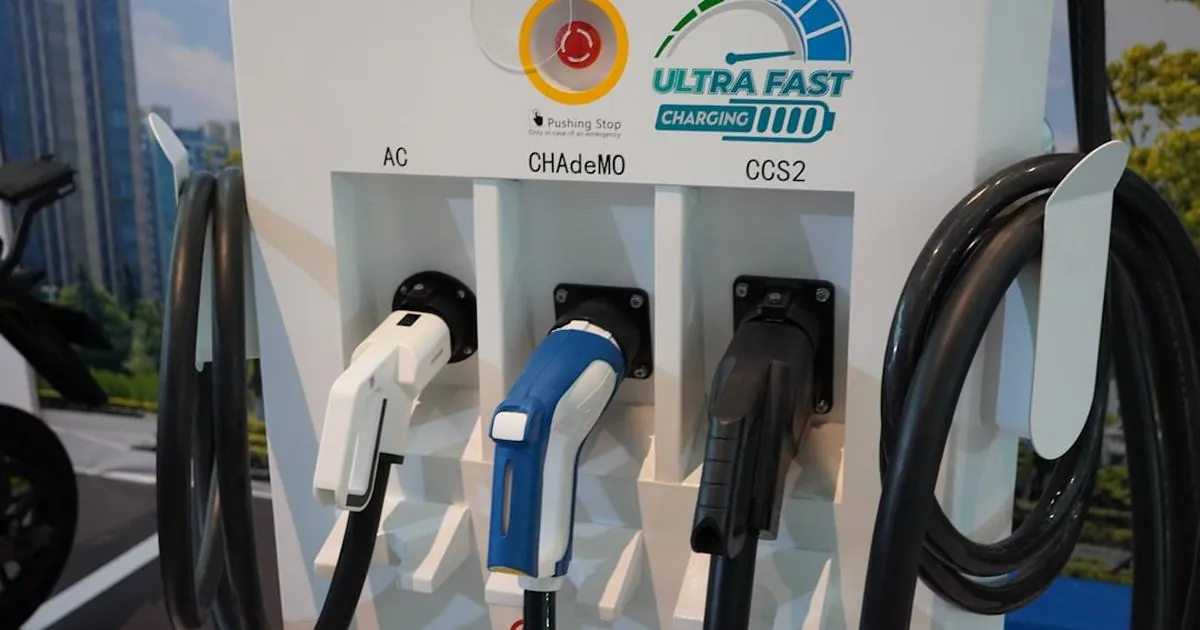
The Bundesnetzagentur reports that Germany now has over 120,000 public charging points, up from 80,000 in early 2024. Highway charging coverage along major corridors has improved substantially, reducing one of the key practical objections from business travelers and long-distance drivers.
What the Numbers Mean
At 19.4%, Germany's EV share remains below Norway (over 90%) and ahead of most other large European markets. The government's revised target calls for 15 million electric vehicles on German roads by 2030, which would require registrations to continue growing at an accelerated pace. March's figures suggest that trajectory is now at least plausible. The next meaningful data point will be the second-quarter results, which will show whether the momentum holds beyond the spring buying season.