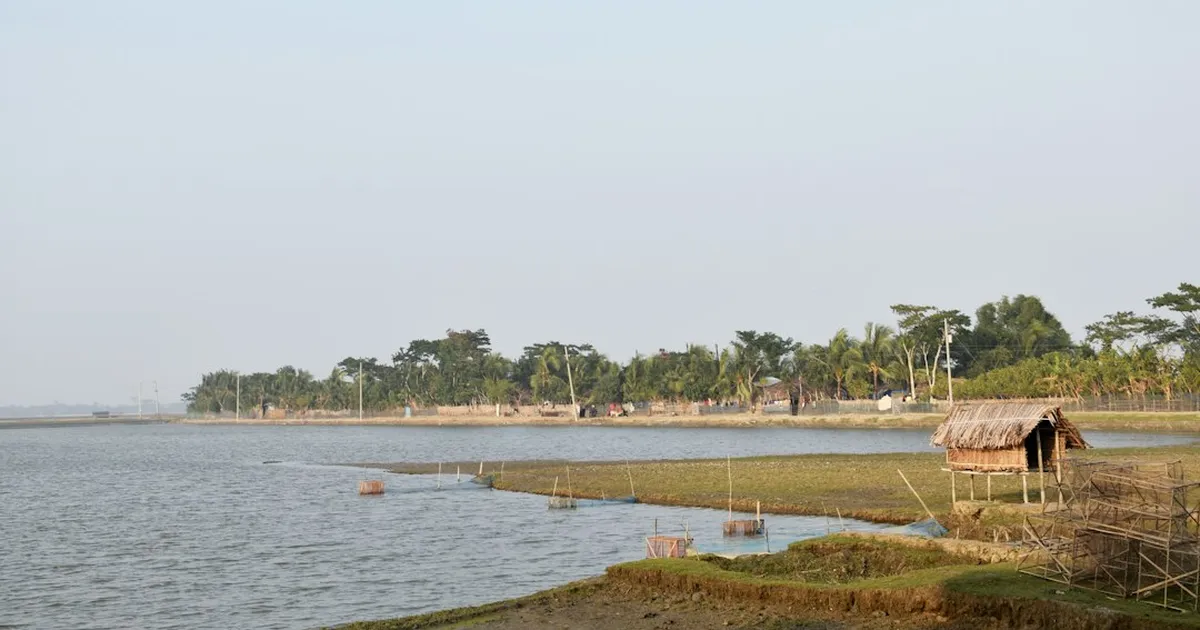
The award for Drinkwell's chief executive was announced on January 13, 2026, by the Schwab Foundation for Social Entrepreneurship. According to the foundation, Drinkwell was established in response to arsenic contamination in Bangladesh and operated more than 800 decentralized water systems in Bangladesh and India in January 2026. The company supplied more than 47 million liters of clean water to more than three million people each month, according to figures provided by the foundation on January 13, 2026. According to an estimate cited in the WHO fact sheet, 140 million people worldwide in at least 70 countries have drunk water containing arsenic at levels above the provisional WHO guideline value.
An award without prize money
The award was presented on January 20, 2026, in the Spotlight hall of the Congress Centre in Davos, Drinkwell said in a retrospective on the award ceremony. A total of 21 leaders from 17 organizations were honored in four categories in 2026. Drinkwell was among eight social entrepreneurs and, according to its own account, was the only water organization and the only award recipient from Bangladesh in this cohort. According to Drinkwell, the title carries no monetary award; recipients instead gain access to a three-year program of training, working groups and regional meetings. After three years, they become part of a community of 510 social entrepreneurs and innovators, according to Drinkwell. They also become members of the Rise Ahead Pledge, in which 28 companies have committed to buying from and investing in social enterprises by 2030.
From households to water utilities
Chowdhury founded Drinkwell one year before his Echoing Green fellowship to address arsenic and fluoride contamination in drinking water in Bangladesh and India. Thirteen years later, the water purification technology, which Echoing Green describes as low-cost and locally manufactured, supplies thousands of households. According to the company, its patented HIX-Nano technology removes arsenic and fluoride at about 30 percent of the cost of conventional systems, as reported in an article labeled as a press release in The Daily Star. The WHO notes in general that while there is a growing number of effective, low-cost options for removing arsenic from small or household water supplies, evidence of the sustained effective use of such systems remains limited. In an interview with Echoing Green, Chowdhury described the shift in his narrative: in 2014, the focus had been on households lacking safe drinking water and his technology being seen as a solution. A decade later, the focus was on water utilities struggling to achieve universal coverage within a system of building, neglecting and rebuilding, he explained. In January 2026, his work had focused on partnerships that changed infrastructure ownership, financing and maintenance. Chowdhury described his motivation to The Business Standard: he had started the project because of the drinking water problems faced by low-income people in his country and had observed during operations that low prices and fresh water attracted people.
Growth that did not keep pace everywhere in late 2025
In 2023, the Global Innovation Fund put Drinkwell's reach at 550 directly installed water kiosks and more than 1.7 million people reached in Bangladesh and India. In Dhaka WASA's water ATM program, a liter of water cost Tk0.70 plus value-added tax, according to The Business Standard, almost 20 times less than bottled water sold in stores. Expansion stalled in late 2025: of the original 354 water stations in Dhaka, 52 had to close because of low demand and operating losses, Dhaka WASA engineer Shahina Khatun told the newspaper. Urban planners warn of strain on the system because user numbers are growing faster than the infrastructure, according to the report; queues in some neighborhoods had already grown longer. Khatun announced 50 new stations and an extension of the contract due to expire in June 2026, calling the program an indispensable public service. According to the newspaper, Drinkwell was entirely foreign-funded at the end of December 2025, had been operating at a loss since its launch and reinvested all revenue locally.
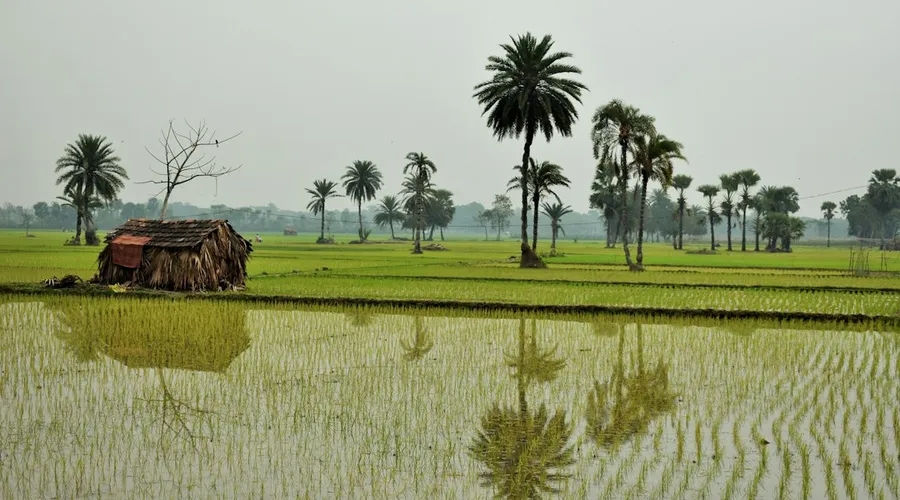
¶ Water user Jamilur Rahman traveled almost two kilometers every week to collect water in late December 2025, according to the newspaper, because boiling water or buying drinking water would cost more. Jhilmil Begum from the Korail slum told the newspaper that safety for her children was the greatest benefit, with no alternative if the service were discontinued.
The partnership with Gap
Drinkwell works with Gap Inc., which, according to Drinkwell, sources from factories in Bangladesh and aims to give five million people in communities affected by its industry better access to safe water by 2030. According to Drinkwell, talks had been underway since 2023, when the companies met in San Francisco. A proposal for water ATMs near Gap's suppliers went to Gap's water team in 2024 and was developed further through 2025. Following talks in Davos, Gap approved the partnership on April 6, 2026. Work began in June, funded through a four-year program; the water ATMs are intended to support themselves through user fees after the funding ends. In September 2026, Gap's new sustainability chief, Jeff Hogue, met with the company, according to Drinkwell, as the first sites for the four-year program were being determined.