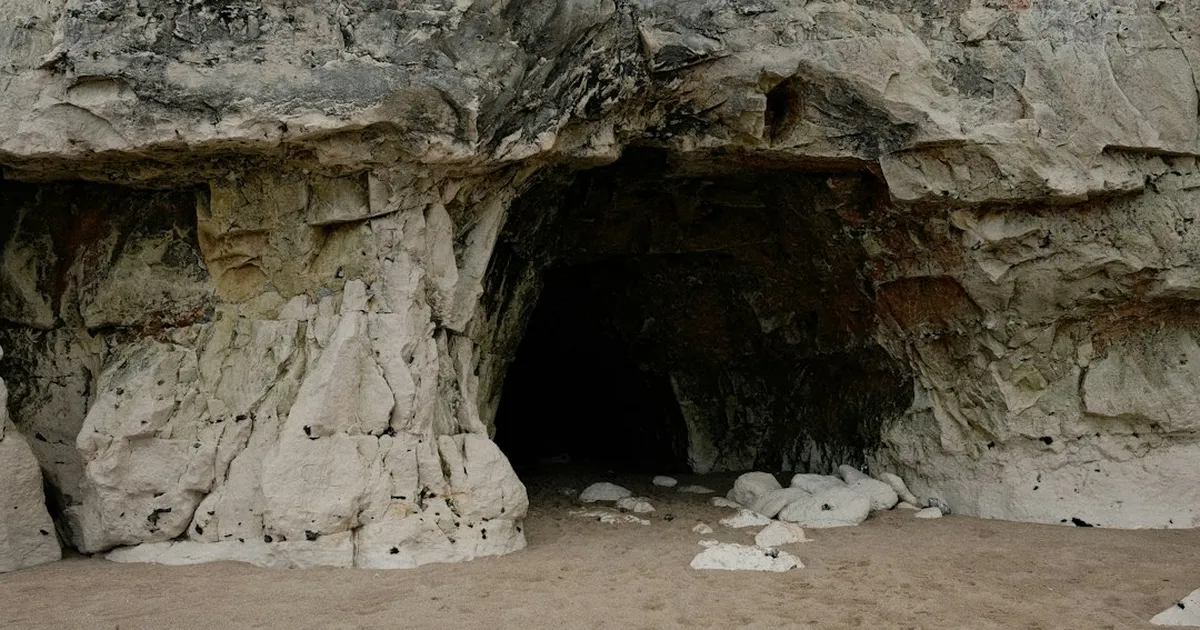
The National Park Service count took place on October 10; 77 fish were recorded in spring 2026 and 69 in fall 2025. Death Valley National Park Superintendent Mike Reynolds said the results reflected the dedication of scientists and conservation partners, according to the Las Vegas Sun; challenges nevertheless remained. The species lives exclusively in Devils Hole, a deep, water-filled cavern in Death Valley National Park.
Divers and surface counters from the Park Service and the U.S. Fish and Wildlife Service count the fish in the depths of the cavern and along a shallow limestone shelf where they feed and spawn; the agencies have used this method since 1972.

From collapse to recovery
During the spring 2025 count, specialists from the Park Service, Fish and Wildlife Service and Nevada Department of Wildlife found 38 fish, a year after a count of 191. Two earthquakes, one in December and one in February, had previously triggered waves in Devils Hole that washed algae, organic material and fish eggs off the shallow shelf at the cavern entrance. The specialists then turned to the Devils Hole Pupfish Strategic Plan drawn up in 2022 and, for the first time, introduced 19 captive-reared fish into the wild population. According to New Hampshire Public Radio, the population had plunged by 90 percent to 20 fish by the end of February 2025; in addition to the initial 19 fish, the team later released around 50 more from captivity. According to the Park Service, a total of 72 captive-reared pupfish were added between March 2025 and February 2026, while conservation teams provided supplemental food, guided by data from the Ash Meadows Fish Conservation Facility and ongoing monitoring.
In comparison: fluctuations since the 1980s
According to the report published in 2024 by the U.S. Fish and Wildlife Service, fall counts averaged 444 fish between 1980 and 1999, compared with 147 between 2000 and 2018; spring averages fell from 218 to 101 over the same periods. Historic lows were recorded in the spring counts in 2006, with 39 fish, and 2013, with 35, before the population reached a 25-year high in 2024. Several reports described the increase to the current 137 fish from fall 2025 as more than a doubling, although 137 is mathematically just under twice 69.
Open questions: genetics and risk
Because the first release had to happen quickly, the laboratory did not take genetic samples from the first 19 fish released, according to New Hampshire Public Radio; a week of antibiotics and additional recovery time would have taken too long, according to Olin Feuerbacher, while more wild fish could die at any time. Instead, the team tried to save water in which each fish had swum, potentially to extract DNA from it later, a procedure that had not yet been tested. Geneticist Christopher Martin of the University of California, Berkeley, said that without these samples, it would be impossible to distinguish which fish came from captivity or to track their contribution to future wild generations; he estimated that the introduced reserve fish could roughly halve the genetic diversity of the wild population. According to Wilson, the team responsible was by then working on a genetic management plan and collecting DNA from all fish during subsequent releases. A preprint published in 2026 by Tian and colleagues finds that inbreeding in Devils Hole pupfish is strongly associated with premature embryonic death, which affects up to 25 percent of offspring in the captive reserve; the species' genetic diversity is among the lowest ever measured in the wild, according to the study. The paper states that it has not yet been peer-reviewed by a scientific journal; a version published on PMC puts the captive reserve at more than 500 fish in 2023 and states that, in laboratory breeding groups, up to a quarter of developing embryos do not reach adulthood.
The Park Service said pupfish populations fluctuate naturally. According to the agency, continued monitoring, research and habitat management remain essential to the species' long-term survival. The population's continued vulnerability became apparent again after an earthquake on October 9, 2026, in Panama, almost 3,000 miles away: biologists initially observed signs of stress in the fish but found them in healthier condition during a later visit.