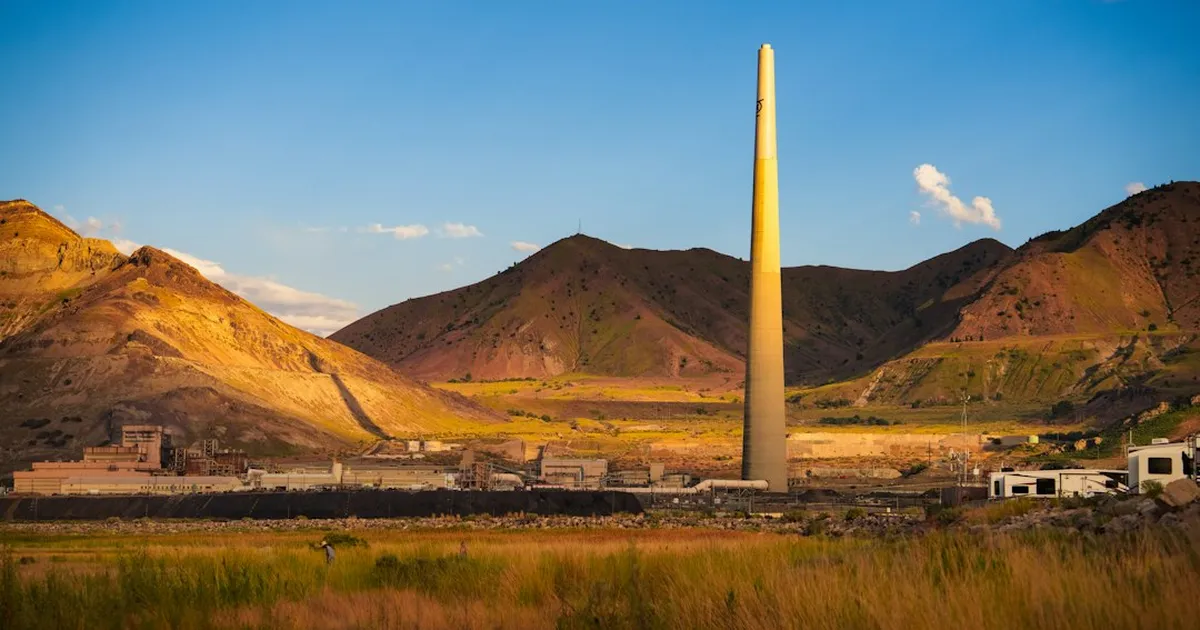
Cape Station in Beaver County, Utah achieved first power generation from an Enhanced Geothermal System at utility scale on September 24, 2026, according to Fervo Energy. The company says it is the first facility of this size worldwide to reach this milestone. Six days later, on September 30, Fervo declared the first block in commercial operation, one day ahead of the contractual deadline, the company announced on October 1. The success comes just over four months after the company went public in May 2026. According to DCD, Fervo's technical chief and co-founder Jack Norbeck said years of drilling, wellbore completion design, subsurface modeling, and flow testing led to this moment: "First Power proves the science works".
Phase I of Cape Station comprises approximately 100 megawatts across three GeoBlocks, each delivering 33 megawatts. The first block achieved a net output of 33 megawatts, meeting the production threshold specified in the power purchase agreement. The remaining two blocks are continuing commissioning, with commercial operation scheduled by January 1, 2027. A further expansion phase with an additional 400 megawatts is under construction, with commercial operation expected in 2028. According to the Houston Chronicle, regulatory filings show Fervo plans to invest 2.2 billion dollars in expanding Cape Station over the coming years. Fervo notes that such forward-looking statements are not guarantees and actual results may differ.
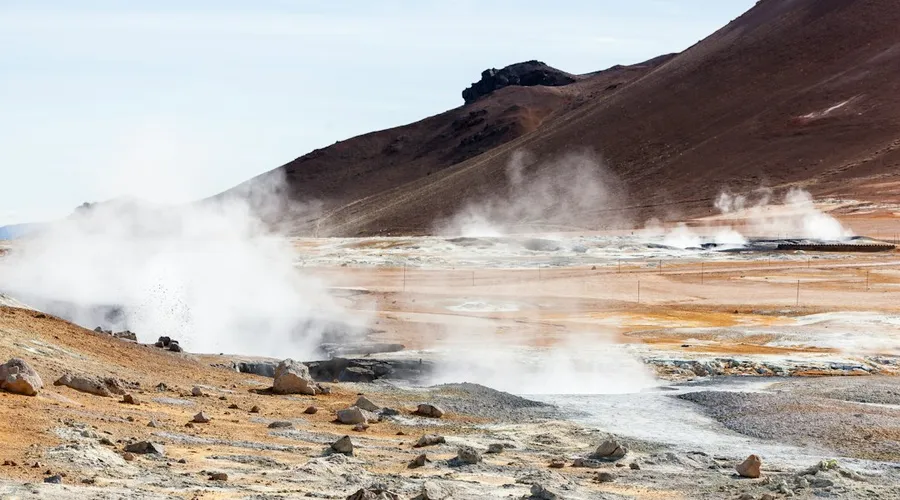
How the plant extracts heat from hot, low-permeability rock
The process works as follows: Fervo drills into hot but barely permeable rock and injects water under pressure to open fractures and create an artificial underground reservoir. The water heats as it flows through the rock and returns to the surface, where its heat is used to generate electricity. The company uses horizontal drilling techniques from the oil and gas industry, which enable multiple boreholes from a single drilling pad. According to Fervo, operating the facility produces no emissions, requires relatively little land per megawatt, and generates electricity around the clock regardless of weather.
Who buys the power
Cape Station has approximately 900 megawatts of power purchase agreements fully secured, equivalent to the annual electricity demand of nearly 1 million US households. California utilities such as Southern California Edison, Clean Power Alliance, and Desert Community Energy secured the bulk of early capacity under long-term contracts, according to the Deseret News. Google signed a 396-megawatt contract in early September for a potential data center in Utah, with an option on an additional approximately 600 megawatts through June 2030. A contract with PacifiCorp, the utility that supplies power to consumers in Utah itself, has not materialized to date, according to the Deseret News.
One block is not the entire plant
MGRID noted that First Power refers to a single 33-megawatt block and is distinct from commercial operation and commissioning of the remaining Phase I blocks. Google's contractually secured 396 megawatts is based on a separate 400-megawatt phase with expected commercial operation in 2028, not the block that went live in late September.
In comparison: from 3.5-megawatt pilot project to gigawatt potential
After the success of Project Red, Fervo signed a power purchase agreement for 115 megawatts with Google and NV Energy in June 2024, which the company says helped develop a rate structure that shields ordinary electricity customers from project costs. With Cape Station, Fervo has now reached a significantly larger power class at a newly developed location. According to IEEE Spectrum, the 2-billion-dollar project is sized at 2 billion dollars total and is designed to ultimately reach 500 megawatts. According to the company, Cape Station's full potential is even up to 4.3 gigawatts, with 3.4 gigawatts remaining unallocated after fulfilling existing contracts with Google and California.
Milestones
The remaining two Phase I blocks are scheduled to reach commercial operation by January 1, 2027, according to Fervo. The 400-megawatt phase currently under construction is expected to commence commercial operation in 2028.