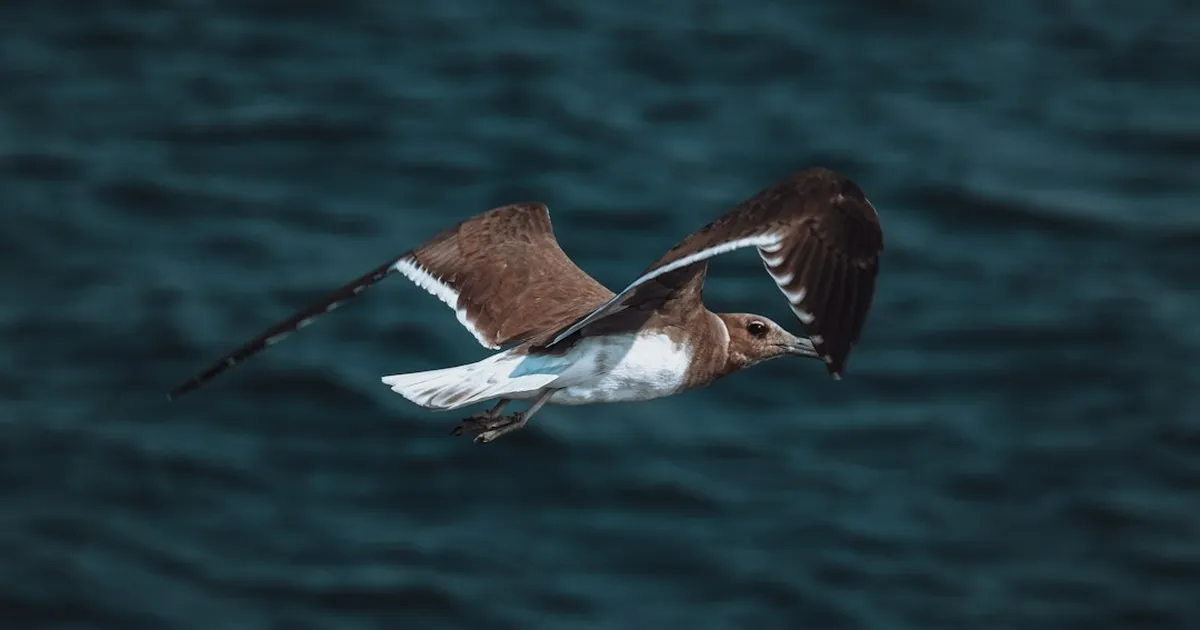
Why the night is dangerous for young birds
The occasion is the annual fledging period: according to a notice from SPEA from October 13, 2025, young birds leave their nests between October 15 and November 15. Strandings affect many young birds every year according to a study by Atchoi and colleagues published in 2024 in the Journal of Experimental Biology and can cause mass die-offs.
From observed deaths in 1991 to annual blackouts
The initiative dates back to 1991, when the community on Corvo noticed very many dead young birds, as The Guardian describes. Residents subsequently rescued young shearwaters at night during walks through the dark village; in 1995 the Azores regional government launched the SOS Cagarro campaign to include the remaining eight islands. SPEA joined in the following years and has been engaged for more than 15 years with hundreds of volunteers; since 2017 Corvo turns off the lights in critical phases, since 2019 as a multi-day blackout organized with SPEA.
How the rescue works in practice
During the blackout, people traverse Vila do Corvo, the island's only village, to find crashed birds; security lights remain on, private households do not have to turn off their lights, many do so according to The Guardian anyway. Beatriz Martins, marine protection technician at SPEA-Azores, named several ways to help according to Positive News: turn off outdoor lights, carry a box with gloves and towel in your car or participate in rescue brigades.
For the species the archipelago is central: according to SPEA, 75 percent of the global population breeds on the Azores, the Good News Network cites a share of roughly 65 to 75 percent of the global breeding population. According to campaign figures repeated by the Guardian and Good News Network, more than 30,000 young birds have been rescued on the Azores since 2015, around 6,000 of them on Corvo alone. In the 2025 annual report, SPEA counted more than 1,000 rescued birds across the Azores between October 20 and November 9 with the help of more than 150 volunteers; on Corvo itself only about 450 people live according to Positive News, with about 6,000 breeding pairs of shearwaters.
Among the Azores islands, Corvo according to The Guardian remains the only one that completely switches off its public lighting; on Madeira SPEA called on municipalities and businesses to hold a "mega apagão" to reduce outdoor lighting.
From 1991 to 2025: a campaign in numbers
SPEA and its project partners hope according to their own statement that more places and islands in the region will follow Corvo's example and also turn off the lights at crucial times. So far according to the reports evaluated, it is mainly the small island with about 450 inhabitants that completely sacrifices its street lighting for this.