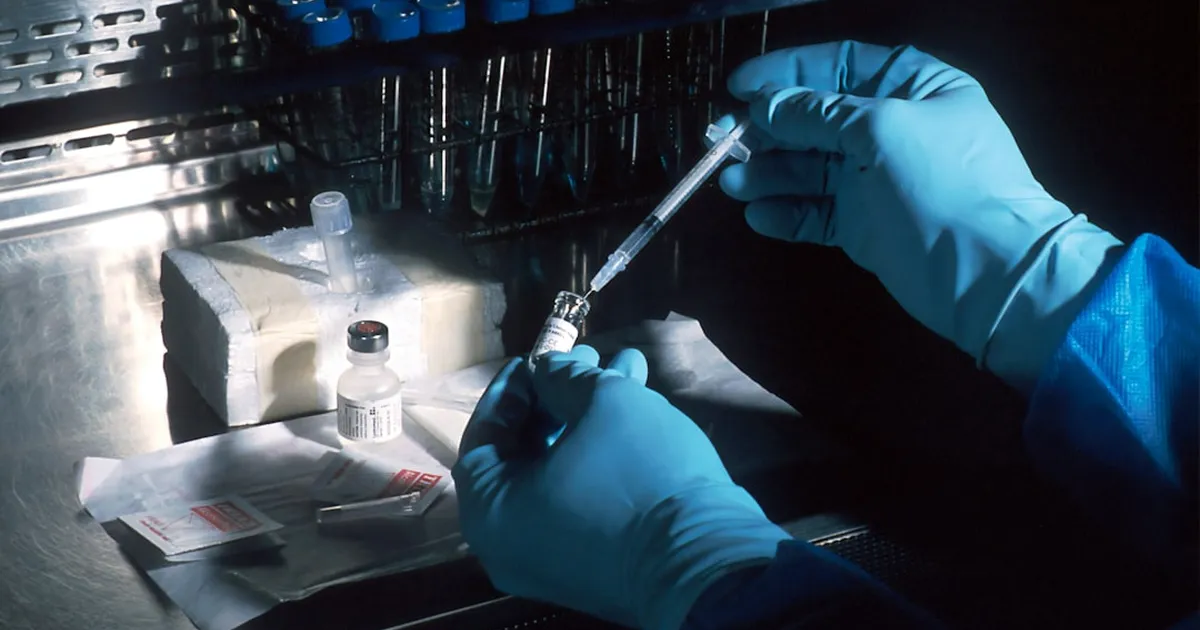
Brazil's Butantan Institute has shown in a five-year study that its new dengue vaccine prevented every single hospitalization in people aged 12 to 59. Zero hospital admissions in the vaccinated group, eight in the control group: the result published in Nature Medicine in March 2026 marks a turning point in the fight against a disease that infects around 400 million people annually.
What Is Dengue?
Dengue is a viral disease transmitted by Aedes mosquitoes, occurring in four different serotypes. A first infection typically presents with fever, severe joint pain and rash. The danger lies in re-infection: a second infection with a different serotype can cause severe dengue, with internal bleeding, organ failure and, in the worst cases, death. The World Health Organization estimates around 40,000 people die from dengue each year. Some 128 countries are endemic, including large parts of South America, Southeast Asia and Africa.
Dengue vaccines have been in development for decades but are harder to formulate than flu vaccines. The first approved dengue vaccine, Dengvaxia from Sanofi, was partially withdrawn after initial approval: it increased the risk of severe illness in people with no prior dengue infection. A safe universal vaccine was missing until now.
Why This Vaccine Is Different
The Butantan Institute, a state research center in São Paulo, developed the Butantan-DV vaccine in collaboration with the US National Institutes of Health. It is, according to the institute, the world's first dengue vaccine administered as a single dose. The only comparable alternative, Qdenga from Takeda, approved in Europe and Asia in 2023, requires two doses three months apart.
The Phase 3 study published in Nature Medicine on March 4, 2026 enrolled around 16,000 participants in Brazil. Results after five years: not one hospitalization was recorded in the vaccinated group. In the placebo group, there were eight. Overall efficacy against any symptomatic dengue infection in people aged 12 to 59 was 74.7 percent. Against severe dengue with warning signs, efficacy was 80.5 percent. For comparison, Qdenga showed overall efficacy of 73 percent in its approval studies, but over a shorter observation period.
Brazil's health regulator Anvisa granted approval in November 2025. Production capacity is being expanded to 30 million doses with international partner WuXi Biologics in the second half of 2026.
Other Breakthroughs Against Tropical Diseases
The Butantan-DV vaccine joins a series of medical milestones against neglected tropical diseases. Guinea worm was still a mass disease in 1986 with 3.5 million reported cases worldwide. Today, after almost four decades of systematic intervention, the Carter Center initiative recorded around ten cases in 2025, on the verge of complete eradication through behavioral change alone. Against malaria, the first vaccine RTS,S (Mosquirix) received WHO recommendation in 2021; by the end of 2024, more than six million children had been vaccinated in African pilot programs.
Hepatitis C also shows what targeted medical research can achieve: direct-acting antivirals (DAAs) available since 2014 cure chronic infection in more than 95 percent of cases. A disease once without effective treatment is now curable. Butantan-DV sets a similarly ambitious goal for dengue.
Rollout in High-Risk Regions by End of 2026
Brazil plans to deploy the vaccine first in regions with high dengue burden, including parts of the Amazon basin where medical care is hard to reach. For these communities, the single-dose format is especially relevant: two-dose schedules often fail in remote areas because patients cannot or do not return for a booster shot. One clinic visit, lasting protection.
Whether the vaccine will also receive approval outside Brazil depends on further regulatory processes. The WHO has not yet evaluated Butantan-DV; a WHO prequalification would significantly ease procurement by international aid programs. The potential impact on global dengue burden is nonetheless substantial: if 30 million doses reach the most affected regions, tens of thousands of hospital stays and thousands of deaths could be prevented.