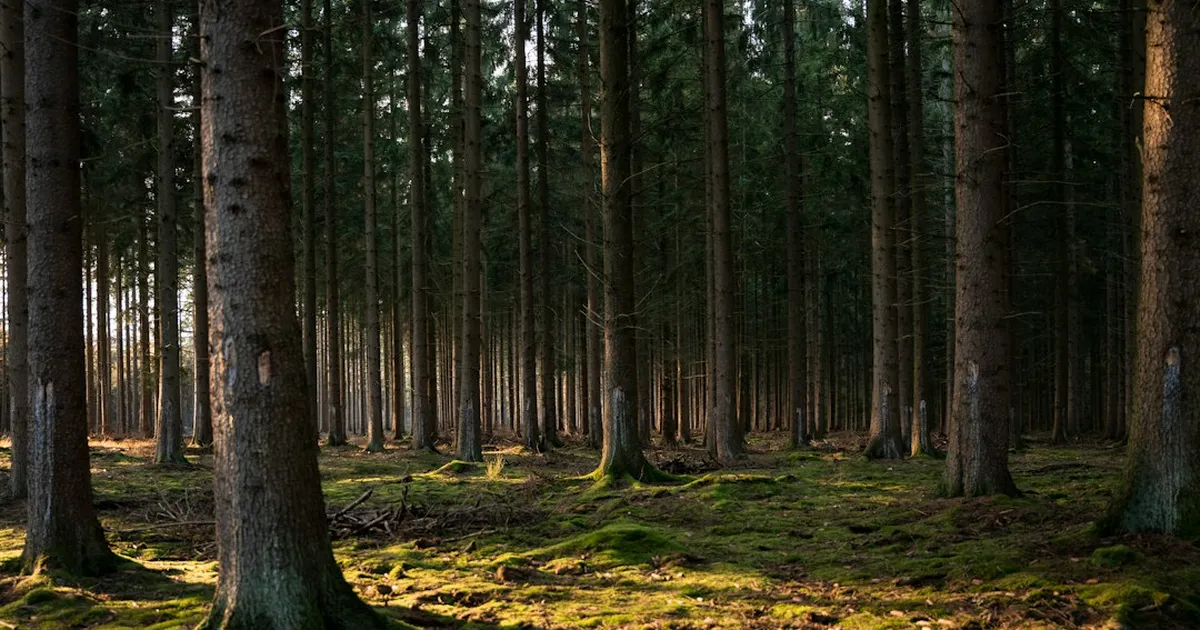
A team led by microbiologists Stefan Mecking developed long-chain aliphatic polyesters (LCAP) to test plastic degradation in laboratory conditions. They buried LCAP film 10 centimeters deep in forest soil and exposed separate bioplastic powder samples to soil microbes over one year. Carbon dioxide measurements indicated near-complete decomposition after approximately 250 days, similar to cellulose at 80 days. Conventional plastic HDPE showed minimal breakdown. Electron microscopy revealed tiny holes matching individual bacterial cell size.
How the enzyme works
DNA sequencing identified a gene enriched exclusively in plastic-containing soil. It encodes an esterase enzyme similar in structure to betalactamases, the bacterial enzymes that cleave the beta-lactam ring in antibiotics like penicillin, conferring resistance. Both functions rely on the same hydrolysis reaction. Hydrolysis near the cell surface generates readily absorbable plastic monomers while rendering the antibiotic harmless outside the cell.
An AlphaFold3 structural model revealed an unusually open active site capable of binding both polymer chains and penicillin, prompting researchers to call it the "Pac-Man enzyme." In testing, the enzyme nearly completely degraded penicillin G within 24 hours and cleaved ampicillin. The full enzyme with its membrane anchor has not yet been successfully produced in laboratory conditions; tests used a shortened, soluble version.
Significance and unanswered questions
Called Long-Chain Polyester Hydrolase 1 (LCPH1), the enzyme offers a potential biochemical connection between plastic contamination and antibiotic resistance genes found in the environment. However, the study neither proves that plastic pollution creates new resistance nor that LCPH1 drives resistance gene spread. For technical plastic degradation, LCPH1 remains primarily a research object.
Research pathway forward
Researchers were unable to produce the complete enzyme with its cell-anchoring lipid tail in E. coli, the standard laboratory bacterium. Contact of different bacterial genotypes prevented symbiont transfer. Laboratory conditions allowed heavier feeding than reef populations naturally receive. Testing covered one species and two genotypes, leaving questions about whether the mechanism applies broadly. The dual function may offer either evolutionary advantage or represent biochemical overlap. Future work must determine whether plastic degradation actually links to resistance gene spread in natural environments.