Computing student Jean D’Amour Kwizera, who is completing the final year of his bachelor's degree at the University of Buckingham, was initially shortlisted in the AI Impact and STEM Research Excellence categories at the Overt STEM Awards 2026, according to a university statement dated November 6, 2026. He subsequently won the Overt STEM AI Impact Award, according to a further university statement. The award recognises his final-year project, which examines how artificial intelligence can help detect counterfeit malaria medicines. It is based on the dissertation Counterfeit Pill Verification Under Variable Imaging Conditions in Low-Resource Settings, supervised by his project supervisor Dr Nasir Ibrahim. The research is still at the proof-of-concept stage, according to a report in the Northampton Chronicle. The report carries the byline “Press Office”.
How the system checks tablets
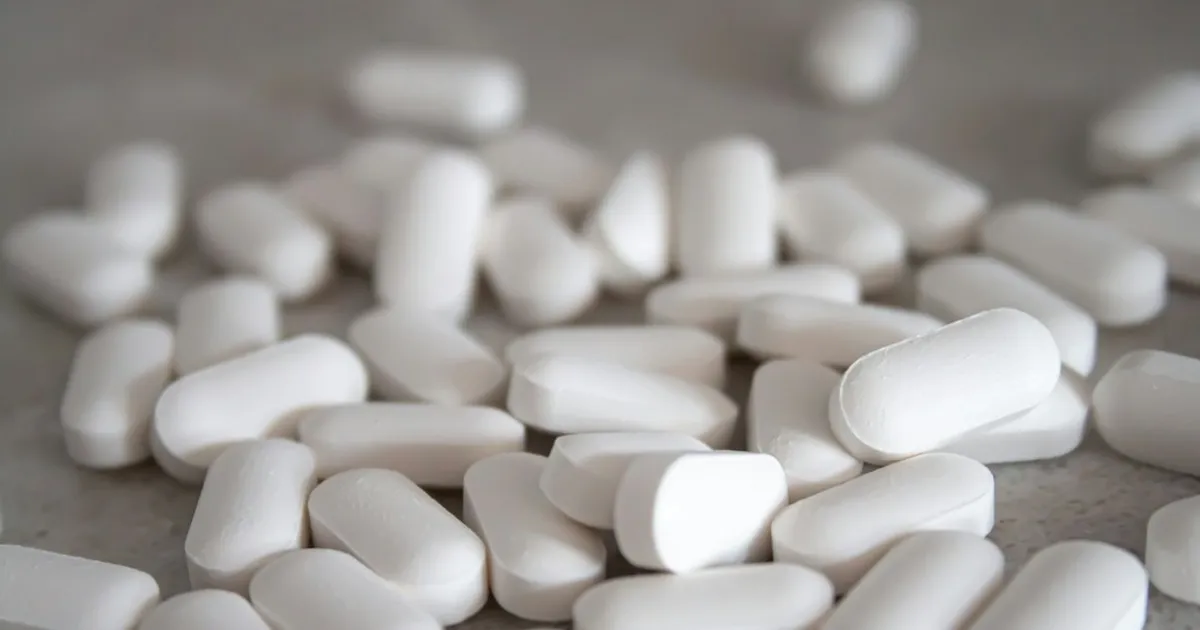
The system analyses photos of tablets: it first checks image quality and then examines the small imprinted letters and markings on each tablet. Counterfeiters could often replicate a tablet's colour and shape, but the smallest details may be significantly harder to reproduce exactly, according to a report in the Bucks Herald. Through machine learning, the technology learns to recognise the features of genuine tablets; it flags those that appear suspicious. The focus is on Coartem, one of the most widely used malaria medicines in sub-Saharan Africa and a frequent target for counterfeiters. Existing detection methods often rely on packaging checks, expensive laboratory equipment or destructive tests, according to the report. Kwizera examined whether an ordinary smartphone camera could serve as a simpler alternative.
Initial results with simulated counterfeits
For initial tests, Kwizera created a dataset of 1,500 photos, including simulated counterfeit tablets. The early trials included previously unseen simulated counterfeits as well as different lighting conditions and cameras. The technology is not intended to replace pharmacists and laboratory tests, but could in future help identify suspicious medicines and prompt people to seek professional advice.

Why counterfeit malaria medicines are a global problem, according to the Chronicle
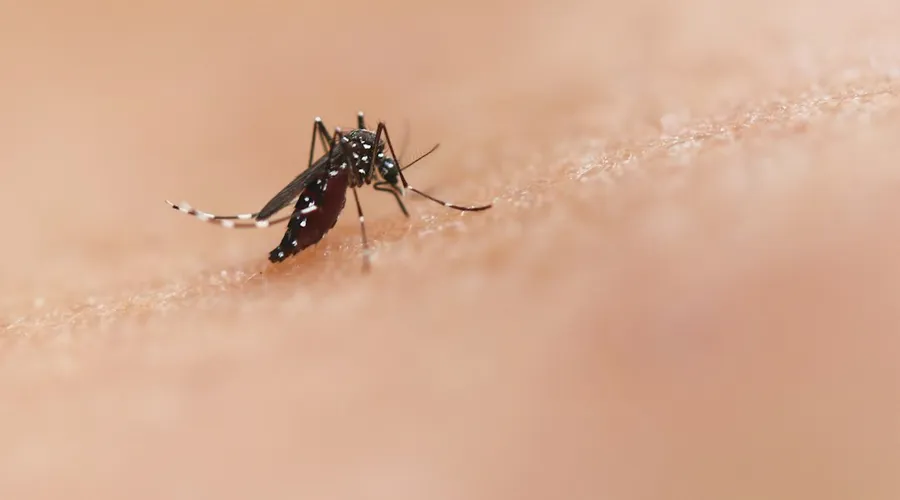
According to a 2017 WHO estimate, between 72,000 and 267,000 deaths in sub-Saharan Africa each year could be linked to counterfeit or substandard malaria medicines. Such medicines can contain little or none of the necessary active ingredients, leaving patients believing they are receiving effective treatment while their condition deteriorates. A warning issued by the medicines regulator NAFDAC on March 8, 2023, shows how real this risk is: it reported suspected counterfeit Coartem tablets in green blister packs that had appeared in the North Central Zone and the Democratic Republic of the Congo. According to information from the manufacturer Novartis cited by NAFDAC, the last authentic version of this pack had already expired in November 2020. A World Health Organization draft states in general terms that screening methods cannot replace testing against official specifications. Further WHO guidance recommends that products which fail screening should, where possible, be sent to a quality assurance laboratory for confirmation. The WHO document on these testing standards is also explicitly marked as a draft.
Kwizera himself describes the award as the result of ten months of long days, setbacks and moments of starting over. According to the University of Buckingham, Ibrahim's supervision and support were crucial throughout the project. The WHO draft states that technologies which are not yet commercially available or for which there is currently too little evidence may become viable options in future with additional evidence and the development of market-ready products. Kwizera's project remains what the reports reviewed describe: a student proof of concept for the potential of a smartphone photo in detecting counterfeit malaria tablets, but not intended to replace pharmacists or laboratories.