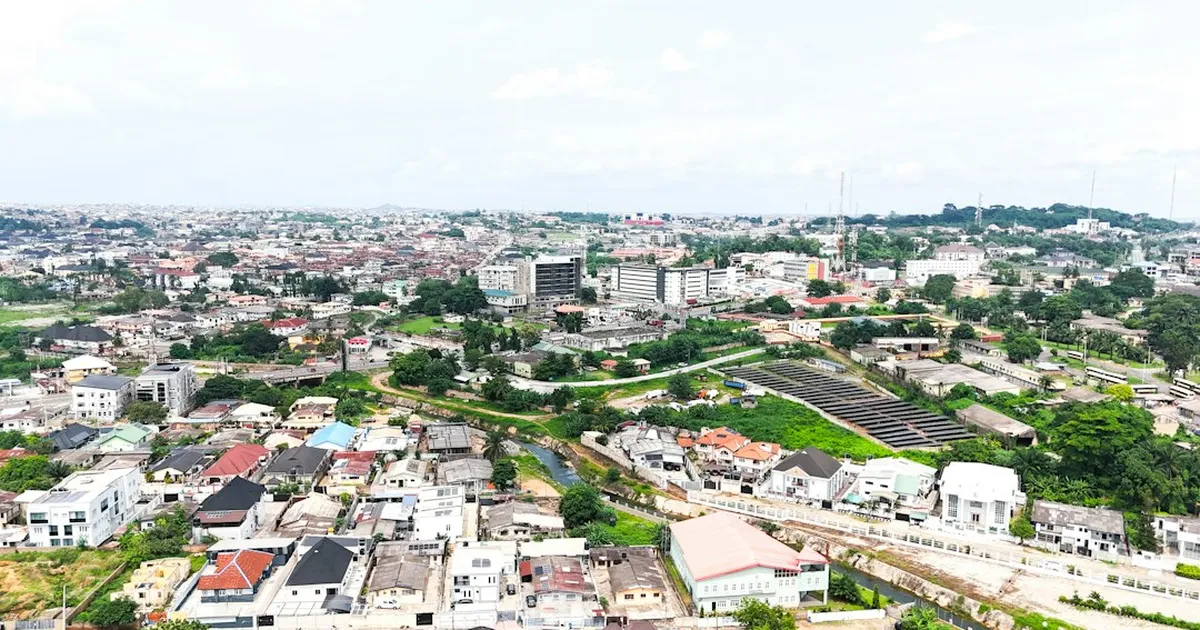
The pledges are part of the “Yearly Offer of Action” climate initiative, as UN News reported on November 12, 2026. According to the Climate High-Level Champions, the number of participating mayors has risen by 60 percent compared with the previous year. Each year before the UN climate conference, the mayors identify a concrete measure for the coming twelve months and report on what they achieved in the previous period, according to the Global Covenant of Mayors.
From its launch in 2025 to 69 cities
The initiative was launched in 2025 by C40 Cities and GCoM with an initial group of 40 cities. By the reporting year, it had grown to 69 cities and measures. At the previous summit, COP30, 42 cities had signed up, with plans including measures against flooding caused by El Niño or to plant mangroves. A year later, initial results are available, according to the Climate High-Level Champions: In Freetown, Sierra Leone, 27,000 households were connected to private waste collection through the #DortiMusGo initiative, while Melbourne added 6,000 square meters of green space.
Climate plans, progress and financing needs
In Melbourne, a building efficiency incentive program is intended to reach 400 commercial buildings in its first year and save more than 4,400 tonnes of emissions within a decade. London describes its Heat Ready London program as a shared vision for six key sectors and a call to partners across the city to protect lives and strengthen the city's resilience. According to the city administration, the impetus is that London recorded record temperatures on two consecutive days in May 2026 and England experienced its warmest spring since records began; the city faces greater heat risks than other parts of the country.
Other actors also reported progress at COP31: The Global Alliance of Subnational Development Banks provided a total of US$308 million for urban climate projects in 2026, including flood protection in Senegal and drinking water supplies in Colombia, as commonspace.eu reported. The World Green Building Council said it counted more than 970 companies that had supported national decarbonization roadmaps under its European #BuildingLife program; the number reporting progress in reducing building emissions rose to more than 300 within a year. Against this, according to UN News, cities need around US$4.5 trillion in annual climate investment through 2030, of which existing financing covers only about a fifth. There was also a dispute in the negotiations: On Monday, the African Group of Negotiators failed in its attempt to secure a separate agenda item on adaptation finance.
Informal settlements and urban measures in climate plans
UN-Habitat chief Anacláudia Rossbach believes more attention needs to be paid to the poorest communities, especially people in informal settlements with fewer resources for disaster preparedness. According to UN News, up to three billion people worldwide live without adequate housing, and more than one billion people live in informal settlements, often exposed to flooding, landslides and extreme heat. Still, 80 percent of national climate plans now contain detailed urban measures, according to an analysis by UN-Habitat, compared with 50 percent in the previous round.