A new report by UNDRR and WMO was presented on 11 November 2026 at the COP31 climate summit in Antalya, UNDRR said. It shows that 136 countries, 70 percent of all countries, report that they now have multi-hazard early warning systems, meaning systems that warn of different hazards, 17 more than in March 2025, UN News reported. According to the report, countries with substantial to comprehensive systems have disaster mortality rates 6.1 times lower and 3.2 times fewer people affected than countries with limited to moderate systems. The report describes an association.
UN Secretary-General António Guterres said early warning systems saved lives around the world. According to Guterres, the biggest gaps are in the least developed countries, small island developing states and countries affected by conflict.

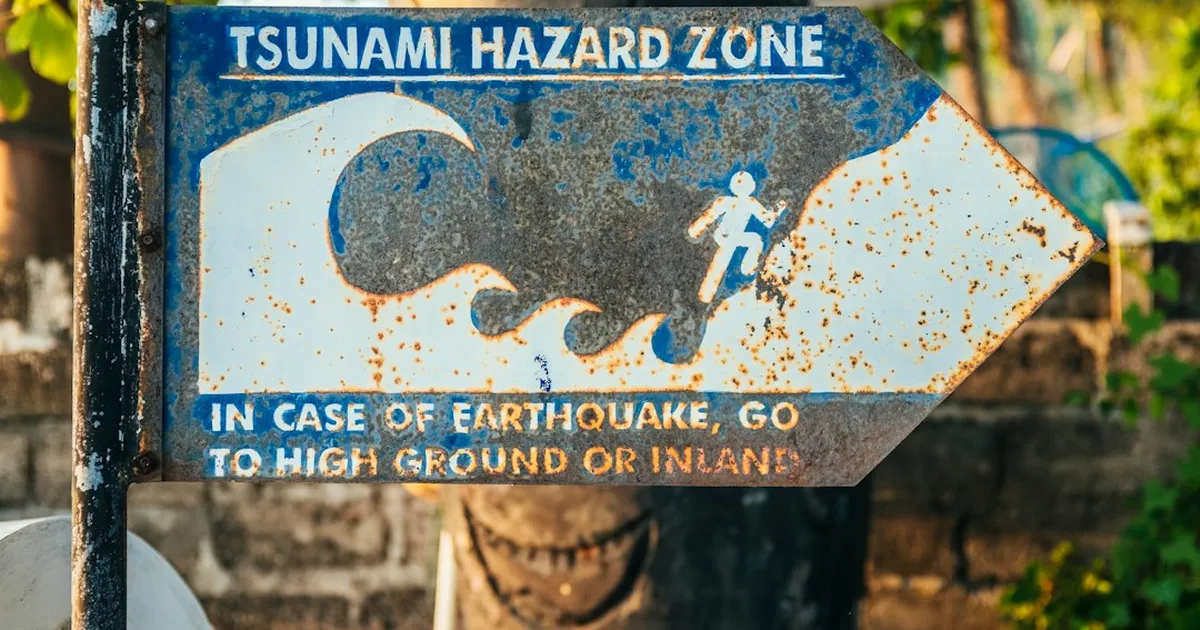
The speed at which warnings can work was demonstrated by the magnitude 8.8 earthquake off Russia's Kamchatka Peninsula in July 2025: The Pacific Tsunami Warning Center issued its first hazard messages within 10 minutes. Japan evacuated around 1.9 million people, while more than 2,300 people were moved to safety from waves around 1.3 metres high in Ecuador's Galápagos Islands. In 2025, the number of active anticipatory action frameworks rose from 154 to 262 in 75 countries, with 146 activations reaching 9.6 million people in 54 countries.
The four pillars of early warning
The report distinguishes four pillars: 72 of 136 countries report risk knowledge, 102 detection and forecasting, 123 warning dissemination and 111 preparedness to respond. Only 64 of the 136 countries report capabilities in all four pillars at once. The WMO also confirms that fewer than half of countries cover all four pillars and that more comprehensive systems are associated with lower mortality. Since 2022, around 20 more countries have been added in each pillar, but average scores have barely changed and readiness to respond fell from 0.74 to 0.70.
Where warnings do not lead to action
WMO Secretary-General Celeste Saulo said four out of five people who experienced a disaster in the past five years received advance warning, but that in more than half of reporting countries the system breaks down between forecasting and action. IFRC Secretary-General Jagan Chapagain added that one in three people affected by a disaster had been unable to respond even after receiving a warning. According to Chapagain, a school principal in Nepal demonstrated how crucial preparedness can be when he used nine minutes in August to save 900 children from a flash flood, thanks to a preparedness programme supported by the Red Cross. Fewer than half of small island developing states have a multi-hazard early warning system at all, and monitoring of coasts and mountains remains sparse. Remote communities remain difficult to reach.
Every second counts in earthquakes too
The US earthquake early warning system ShakeAlert shows how warning dissemination works in practice: Sensors detect the first earthquake waves, computers quickly determine the location and magnitude and estimate where strong shaking can be expected. If shaking exceeds certain thresholds, warnings can reach people before the strongest waves arrive. PNSN Director Harold Tobin said a few seconds of advance warning gave people enough time to think and act; there was clear evidence from other countries that smartphone earthquake warnings had saved lives and prevented injuries. During the magnitude 5.6 earthquake near Willits, California, in June 2026, more than four million such warnings were delivered to devices in California and Oregon, according to USGS ShakeAlert.
Guterres' three priorities
Guterres named three priorities: making early warnings a permanent public service, closing funding and capacity gaps, and moving from fragmented projects to coordinated, long-term support for country-led plans. Around $2 billion has been mobilised since 2022 and around 160 countries receive support, he said, but funding must cover the entire warning chain, from forecasting to local volunteers. The report also calls for sustained investment beyond the 2027 milestone, stronger governance and a greater focus on effectiveness to secure lasting protection.